Our top destinations

Discover Tanzania's most beautiful parks — the famous Serengeti and Ngorongoro Crater, elephant-rich Tarangire, and the wild south of Nyerere and Ruaha. Our guides in Arusha will help you choose the right parks for your dates and build a private itinerary around them.

  1. Home
  2. Destinations

15 results

  • Serengeti National Park

    The Serengeti — from the Maasai word siringet, 'the place where the land runs on forever' — is the largest intact savannah ecosystem on Earth. Spanning nearly 15,000 km² of plains, kopjes, riverine forest and acacia woodland, it shelters around 1.5 million wildebeest, 300,000 zebra, and the highest concentration of large predators on the continent.

    Getting there
    Arusha → Central Serengeti: ~8 hours by road or ~1 hr by charter flight.
    Best time
    Year-round. Migration calving Jan–Mar, river crossings Jul–Oct.
    View destination
  • Ngorongoro Crater

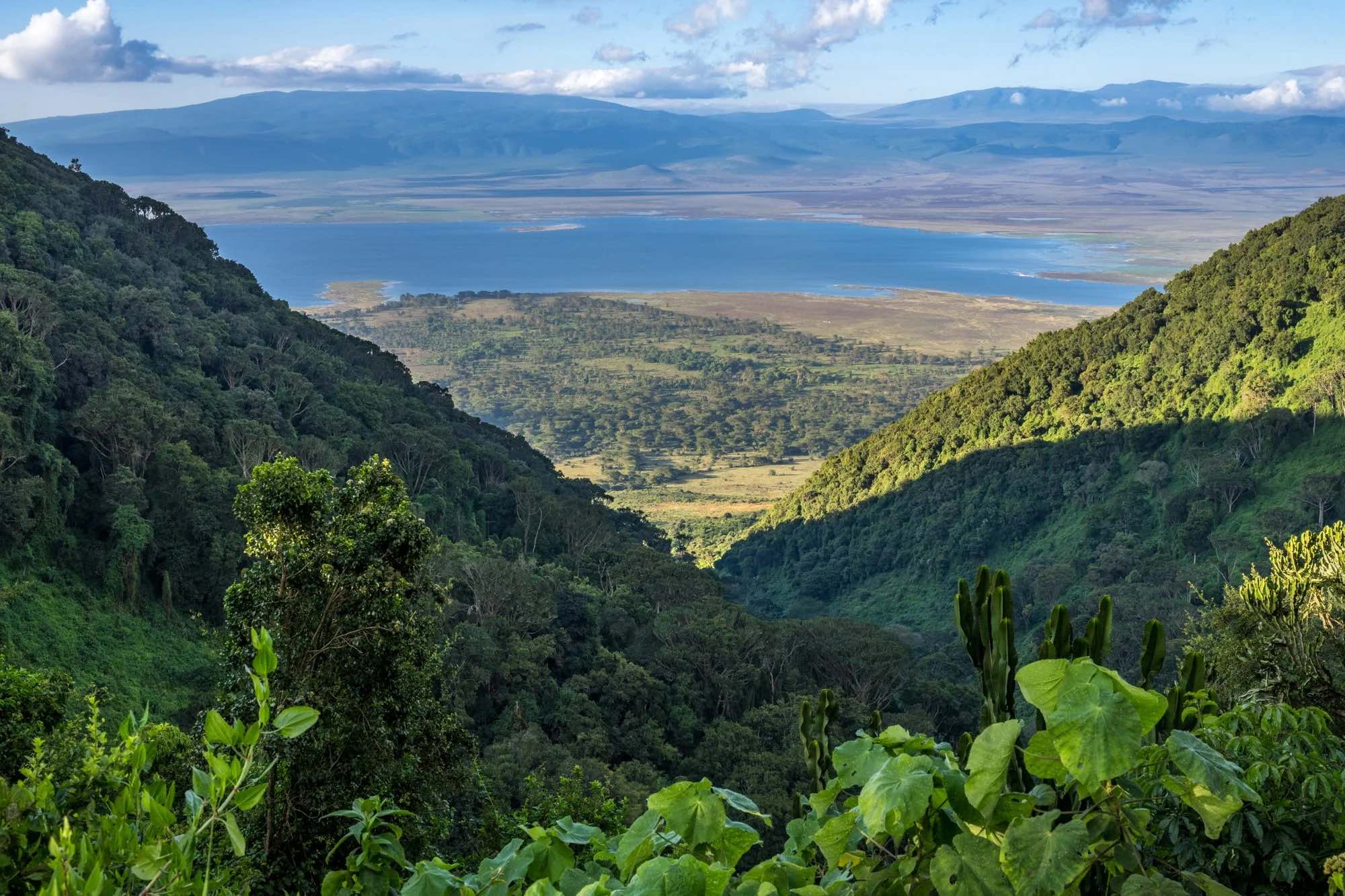
    Two-and-a-half million years ago a volcano the size of Kilimanjaro collapsed in on itself. What it left behind is the Ngorongoro Crater: a 600-metre-deep bowl, 19 km across, holding a self-contained ecosystem of grassland, soda lake, forest and swamp.

    Getting there
    Arusha → Crater rim: ~3.5 hours.
    Best time
    Year-round. Dry season (Jun–Oct) for clearest game viewing.
    View destination
  • Tarangire National Park

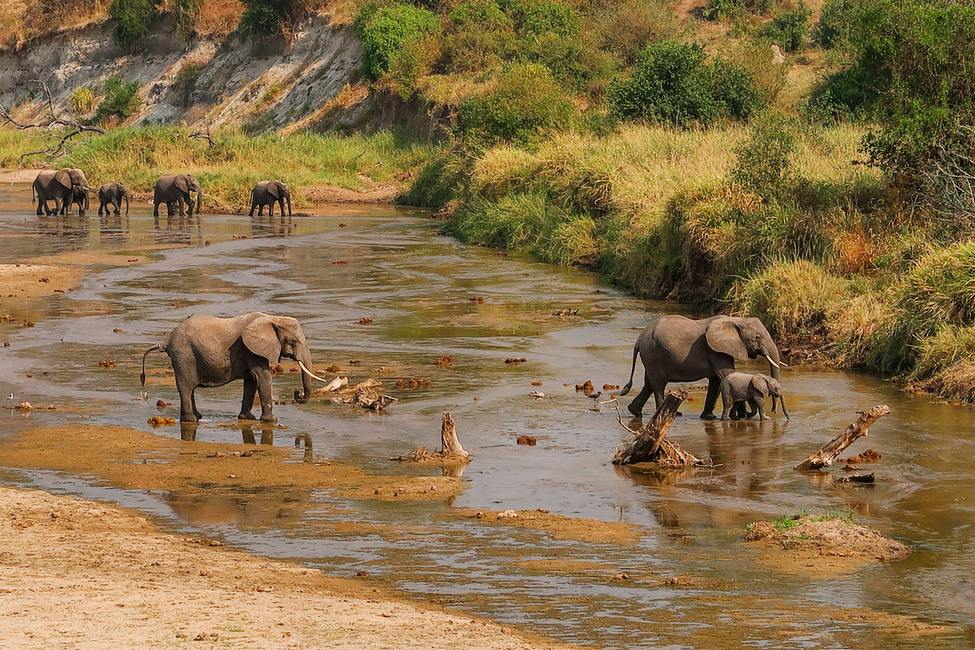
    Tarangire is the safari every guide quietly loves. Most itineraries give it half a day — we give it two — because in the dry season it holds Tanzania's largest elephant population and a density of game that rivals the Serengeti without the vehicle counts.

    Getting there
    Arusha → Tarangire gate: ~2.5 hours.
    Best time
    Jun–Oct (dry season concentrates wildlife along the Tarangire River).
    View destination
  • Lake Manyara National Park

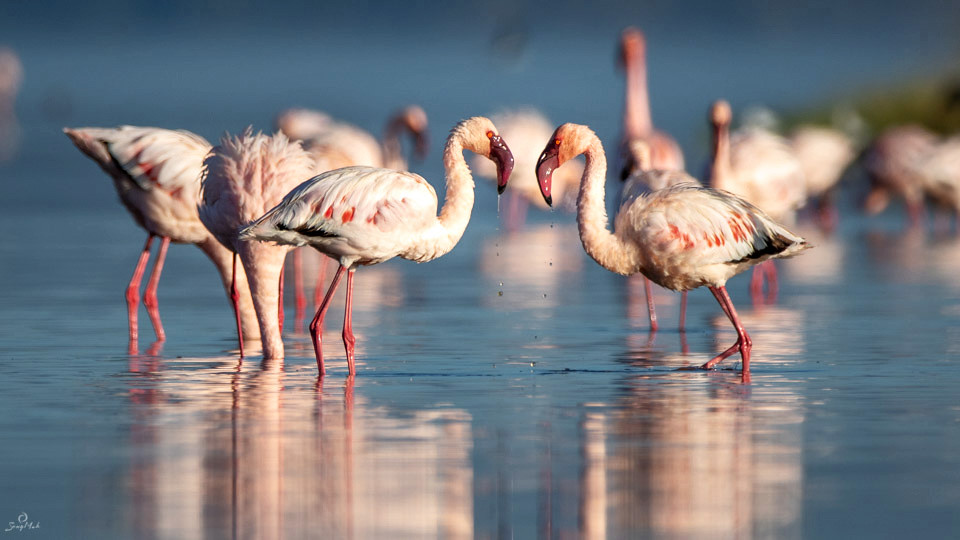
    Manyara is the smallest park on the northern circuit and the most varied. In 90 minutes you can drive from groundwater forest (blue monkeys, baboons, elephant) through acacia woodland into open floodplain on the edge of the soda lake.

    Getting there
    Arusha → Manyara gate: ~2 hours.
    Best time
    Nov–Jun for birdlife, dry season for predators.
    View destination
  • Mkomazi National Park

    Mkomazi is northern Tanzania's best-kept secret. Tucked against the Kenyan border in the shadow of the Pare and Usambara mountains, it is a park of red earth, baobabs, commiphora scrub and wide views towards Kilimanjaro on a clear morning. It feels nothing like the Serengeti — and that is exactly the point.

    Getting there
    Arusha → Mkomazi (Zange gate near Same): ~4–5 hours by road.
    Best time
    Jun–Oct for game viewing in the dry season; Nov–Apr for birdlife and green landscapes.
    View destination
  • Mount Kilimanjaro National Park

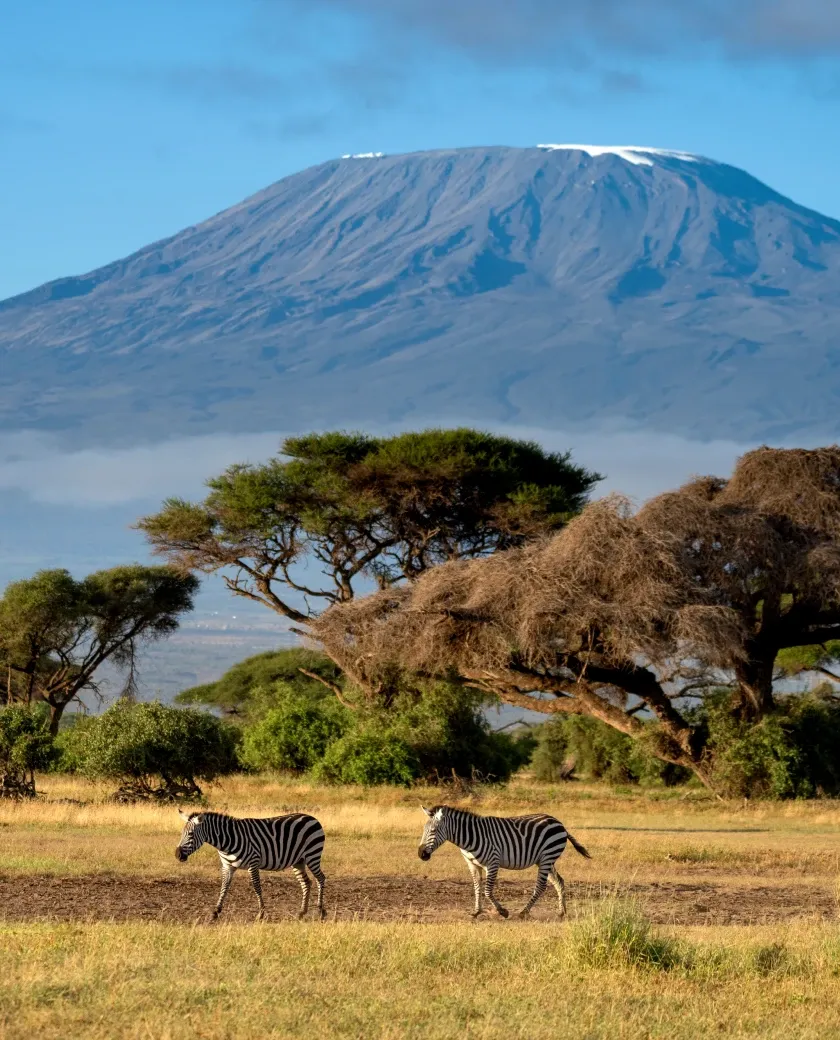
    Kilimanjaro is a 5,895 m free-standing volcano — the highest peak in Africa and the tallest walkable summit on Earth (no technical climbing required). Most safari guests see it from the plane on arrival; many extend their trip to climb it or, more modestly, walk its lower slopes.

    Getting there
    JRO sits in its shadow — Arusha is ~50 min away.
    Best time
    Jan–Mar and Jun–Oct for climbing.
    View destination
  • Nyerere National Park (Selous)

    Nyerere National Park — carved out of the northern Selous Game Reserve in 2019 — is the largest national park in Africa, about three times the size of the Serengeti. It sits in southern Tanzania, four hours' drive or 45 minutes' flight from Dar es Salaam.

    Getting there
    Dar es Salaam → bush flight ~45 min. Not road-accessible from Arusha.
    Best time
    Jun–Oct (dry). Boat safaris year-round.
    View destination
  • Ruaha National Park

    Ruaha is Tanzania's second-largest park (20,200 km²) and arguably its most beautiful. The Great Ruaha River cuts a green seam through a dry, rolling landscape studded with baobabs the size of houses. It sits at the meeting point of southern and east African ecosystems — so you get species you can't see in the north.

    Getting there
    Dar es Salaam → bush flight ~2 hrs. Best paired with Nyerere.
    Best time
    Jun–Nov (dry season concentrates wildlife on the Great Ruaha River).
    View destination
  • Mikumi National Park

    Mikumi is the southern circuit's open-plains park. The Mkata floodplain at its heart is wide, grassy and dotted with baobabs and palms, ringed by the Uluguru and Rubeho mountains — so the game viewing feels familiar to anyone who loves the northern parks, without the crowds.

    Getting there
    Dar es Salaam → Mikumi: ~5 hours by road (or a short charter flight).
    Best time
    Jun–Oct for dry-season game viewing; Nov–May for green landscapes and birds.
    View destination
  • Udzungwa Mountains National Park

    Udzungwa is part of the Eastern Arc mountains, a chain of ancient forests that scientists sometimes call 'the Galápagos of Africa' because so many plants and animals here exist nowhere else. It is a hiker's park: there are no roads inside, only forest trails.

    Getting there
    Mikumi → Udzungwa (Mang'ula gate): ~1.5 hours by road.
    Best time
    Jun–Oct for drier, easier trails; the forest is beautiful and green all year.
    View destination
  • Kitulo National Park

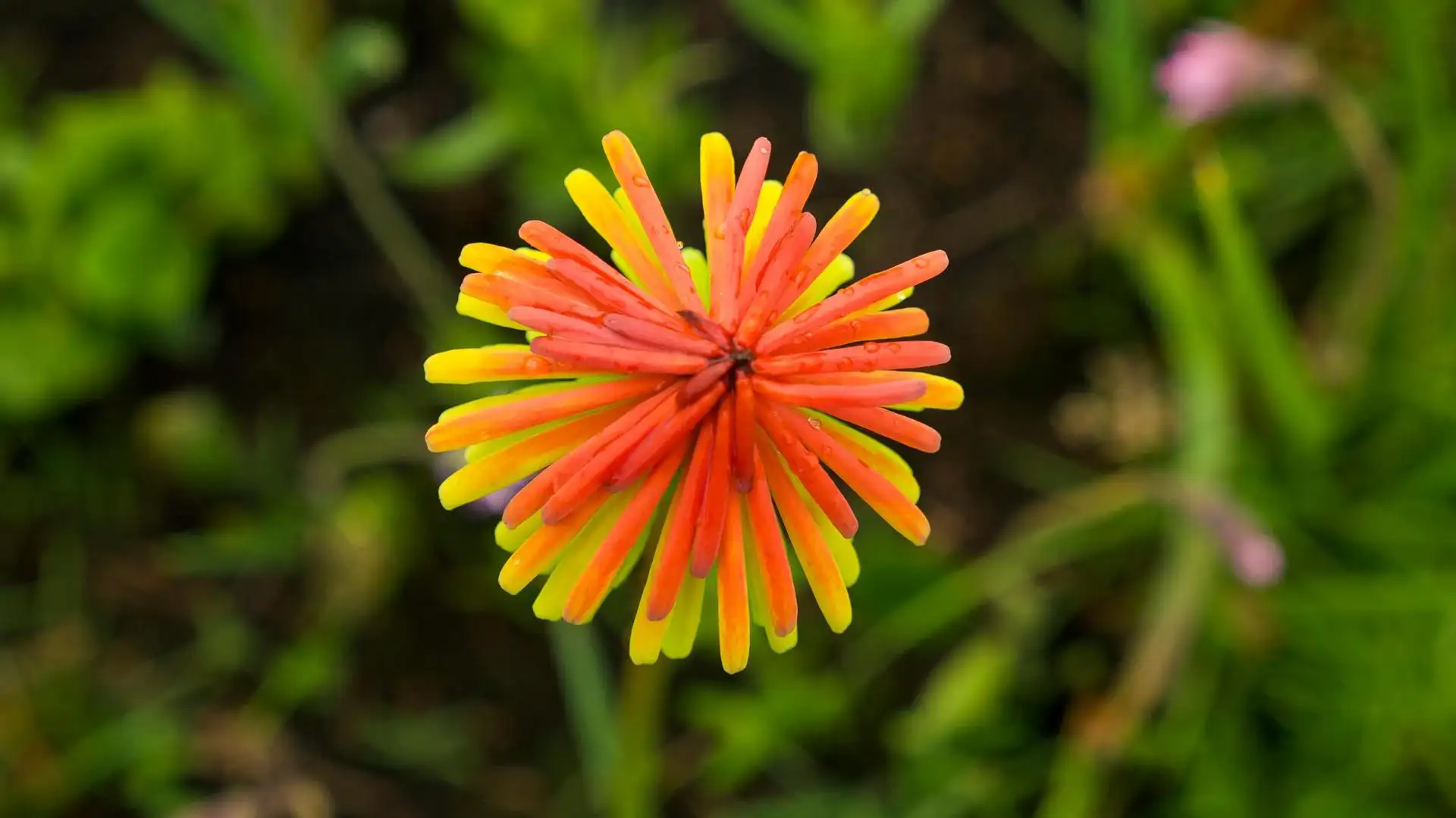
    Kitulo is unlike any other park in Tanzania. Instead of big game, it protects a high, rolling plateau in the southern highlands that bursts into colour during the rains. Local people call it 'Bustani ya Mungu' — God's Garden.

    Getting there
    Mbeya → Kitulo: ~3 hours by road (Mbeya is reached by flight from Dar es Salaam).
    Best time
    Dec–Apr for the flower season; Jun–Oct for clear, dry walking weather.
    View destination
  • Gombe Stream National Park

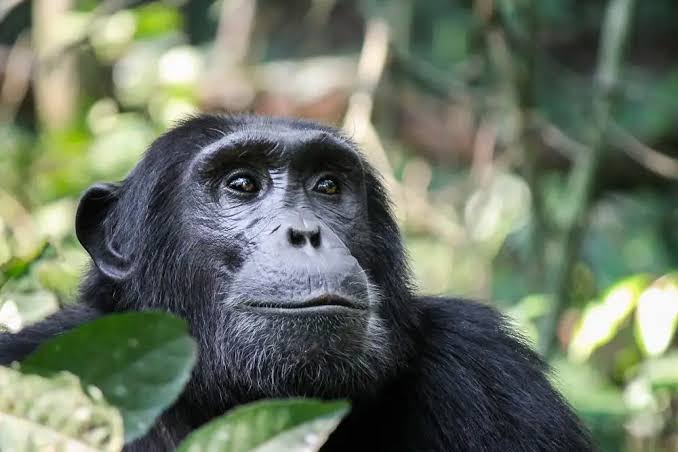
    Gombe is small, steep and green: a strip of forested valleys running down from the hills to the clear water of Lake Tanganyika. There are no roads — you arrive by boat and explore on foot.

    Getting there
    Kigoma → Gombe: ~1–2 hours by boat along Lake Tanganyika (Kigoma is reached by flight).
    Best time
    Jul–Oct for drier forest trails; chimps can be seen all year.
    View destination
  • Mahale Mountains National Park

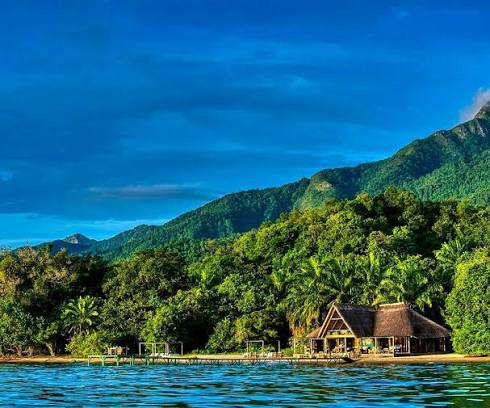
    Mahale feels like the end of the world in the best possible way. A chain of forested mountains drops straight into the clear blue water of Lake Tanganyika, with white-sand beaches below and no roads at all. Most guests arrive by small plane, then by boat.

    Getting there
    Arusha → Mahale: by light-aircraft charter (often combined with Katavi), then a boat to camp.
    Best time
    Jul–Oct for the dry season and the best chimp viewing.
    View destination
  • Katavi National Park

    Katavi is one of Africa's last truly wild parks. It lies far out in western Tanzania, with no big roads and only a handful of camps, so you can drive for hours without seeing another vehicle.

    Getting there
    Arusha → Katavi: by scheduled or charter light aircraft (several hours, often via other parks).
    Best time
    Jun–Oct, and especially Aug–Oct, when wildlife crowds around the last water.
    View destination
  • Lake Eyasi & Cultural Lands

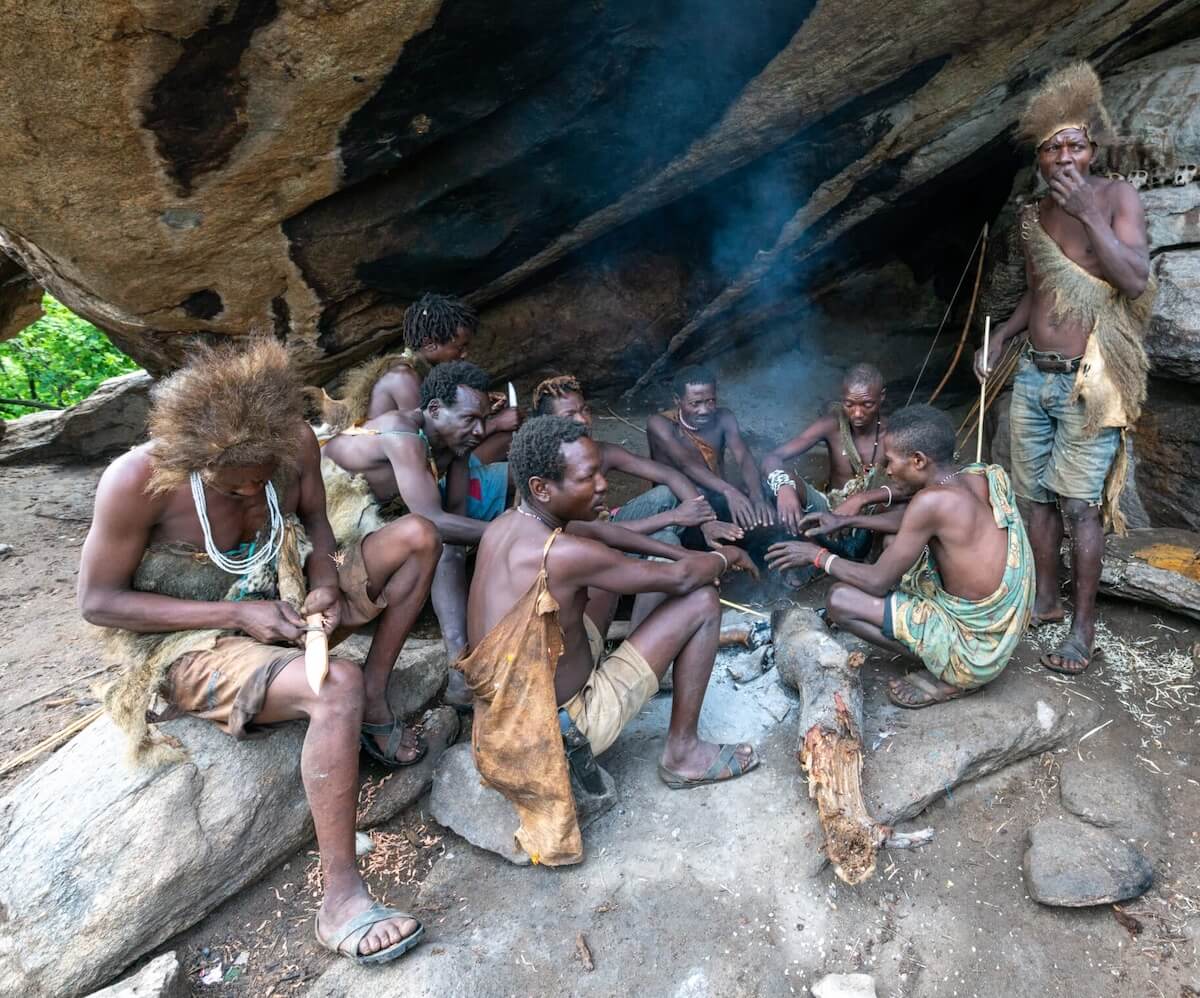
    Lake Eyasi is a shallow alkaline lake at the bottom of the Eyasi escarpment, about 90 minutes' drive west of Karatu. Around it live two communities whose way of life is among the oldest on the continent: the Hadzabe, one of the last full-time hunter-gatherer peoples on Earth (around 1,300 remaining), and the Datoga, a Nilotic pastoralist group known for their iron-working.

    Getting there
    Karatu → Eyasi: ~1.5 hrs. Easy add-on between Manyara and the Serengeti.
    Best time
    Year-round. Mornings for hunts with the Hadzabe.
    View destination

Where do we start?

Design my safari

Free tailored itinerary. No commitment.

Let us create your tailor-made trip

Free, no-obligation advice

Plan a Custom Safari

Talk to a local guide

Our team in Arusha is here to help — English · Swahili · French (on request).