• Safari & Zanzibar
  • Big Five
  • Family-friendly

Safari & Zanzibar Escape

Bush & beach / 11 days / 10 nights

Private, tailor-made and planned by local guides in Arusha.

  1. Home
  2. Safaris
  3. Safari & Zanzibar Escape
Back to Home

Safari & Zanzibar Escape

Six days in the northern parks, then a short flight to Zanzibar for five nights of white sand, warm water and Stone Town history.

  • Tarangire, Serengeti and the Crater
  • Fly straight from the safari to Zanzibar
  • Stone Town & spice farm tour
  • Snorkelling and a dhow sunset cruise

Make your dream trip come true with Lion Whisper

Every sample itinerary can be changed to suit you. Our local guides work with you to plan the trip you really want.

Request this trip now

Itinerary

  1. Day 1: Arrive Kilimanjaro — welcome to Arusha
  2. Day 2: Arusha to Tarangire National Park
  3. Day 3: Tarangire to the Serengeti
  4. Day 4: Serengeti — a full day on the plains
  5. Day 5: Serengeti to the Ngorongoro highlands
  6. Day 6: Ngorongoro Crater — then fly to Zanzibar
  7. Day 7: Zanzibar — your first beach day
  8. Day 8: Stone Town and a spice farm
  9. Day 9: Snorkelling and a dhow sunset cruise
  10. Day 10: Zanzibar — a day at your own pace
  11. Day 11: Departure from Zanzibar
Safari & Zanzibar Escape — route photo
Route at a glance
  1. Arusha
  2. Tarangire
  3. 2 days Central Serengeti
  4. Ngorongoro
  5. 5 days Zanzibar
Day 1

Arrive Kilimanjaro — welcome to Arusha

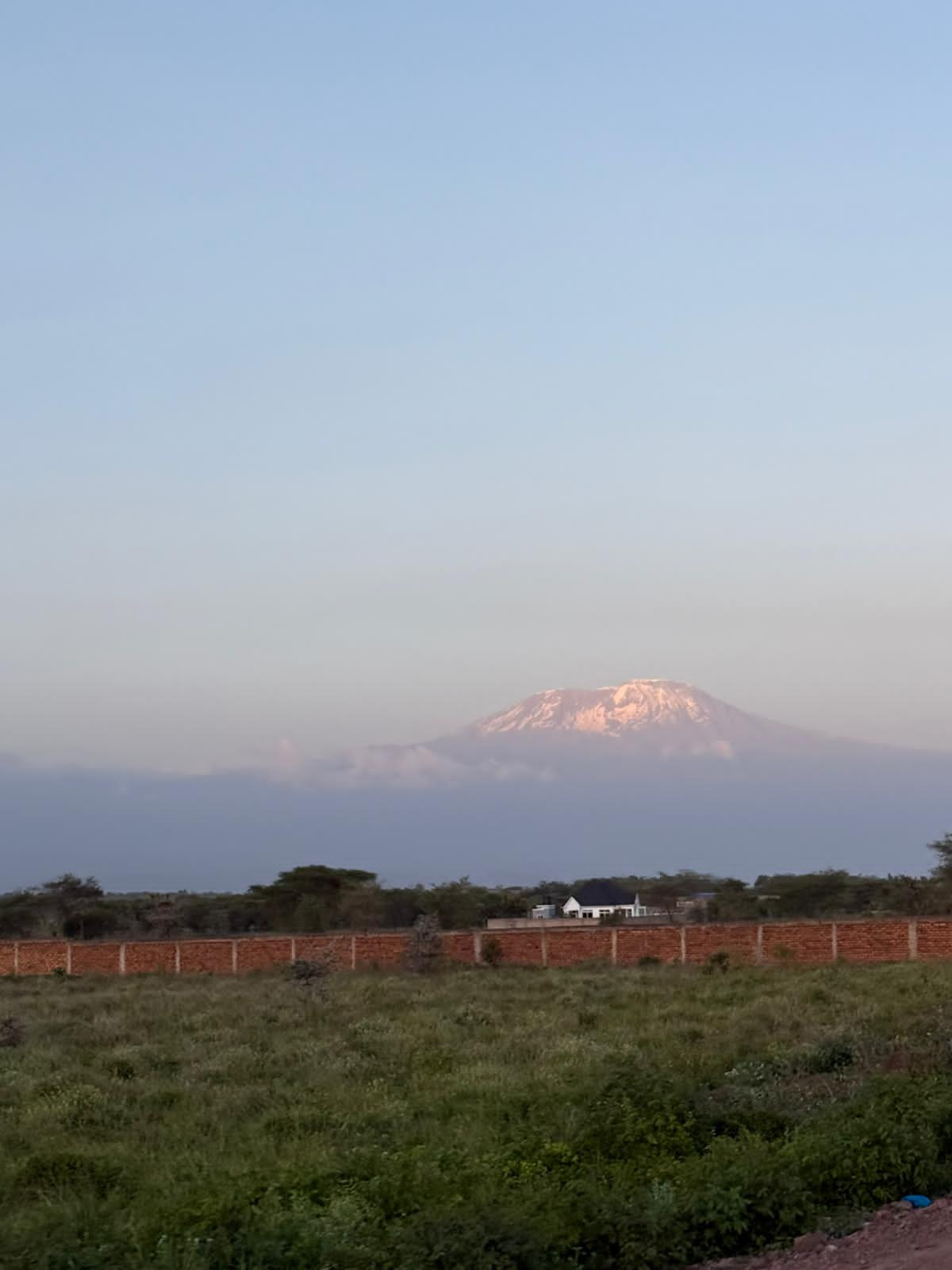
We meet you at Kilimanjaro International Airport (JRO) after your arrival and settle you into the vehicle for the drive to Arusha, taking about an hour. Fields, roadside settlements and banana plants introduce the northern Tanzanian landscape, with Mount Meru visible when the clouds allow. At your lodge, there is time to freshen up and stretch your legs before meeting your safari guide. Over a welcome drink and dinner, we discuss the route, your interests and tomorrow's departure time. Keep the evening gentle: a shower, a little camera preparation and a good night's sleep are the best beginning.

Arusha is the gateway to Tanzania's northern safari circuit, a busy town beneath the wooded slopes of Mount Meru. Coffee-growing country surrounds parts of the town, while markets and workshops keep its streets lively during the day. JRO is the international arrival airport for this mainland itinerary; Arusha Airport serves domestic journeys rather than overseas arrivals. Put essential medicines, a change of clothes and camera batteries in your hand luggage, and keep a light layer handy for the evening. If your flight arrives late, we adapt the welcome and briefing around your need to rest.
Arrive Kilimanjaro — welcome to Arusha
Travel
Kilimanjaro International Airport (JRO) → Arusha · about 1 hour by road
Overnight
Lodge in Arusha
Meals
Dinner
Day 2

Arusha to Tarangire National Park

After breakfast, your guide collects you for the drive south from Arusha to Tarangire National Park, taking about two hours. The scenery gradually opens into dry woodland and grassland, and the first enormous baobabs signal a different rhythm. Once inside, raise the roof and look for elephants moving towards the river, giraffes browsing above the bushes and zebra gathered on the open ground. We stop for a picnic lunch at a designated spot, then continue exploring at a comfortable pace. Ask your guide about tracks, birds or an unfamiliar antelope before heading to your lodge or tented camp for dinner.

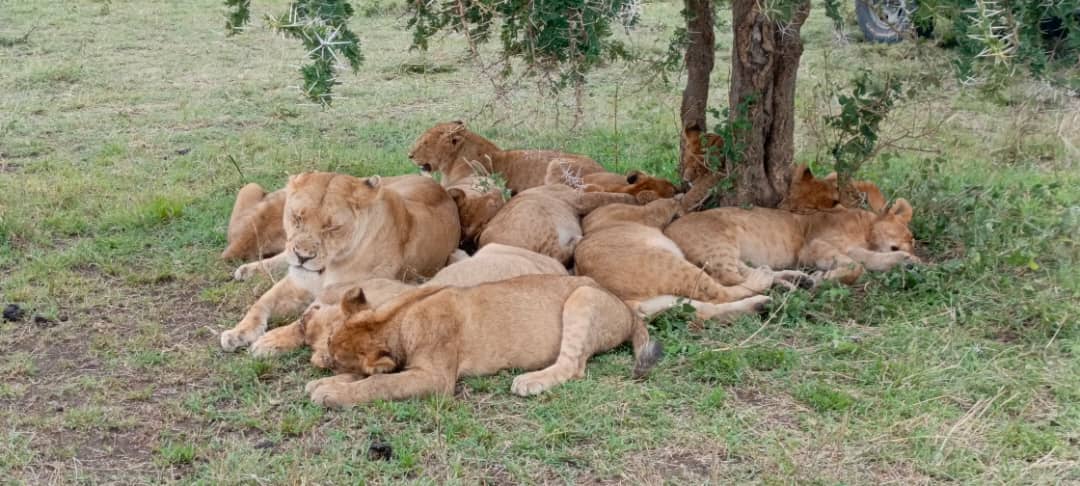
Tarangire National Park is particularly known for elephants, ancient baobabs and the Tarangire River, an important dry-season water source. From roughly June to October, wildlife often concentrates around remaining water, while greener months bring fresh foliage and rewarding birdwatching. Lions may rest in shade and smaller creatures, from dwarf mongooses to colourful rollers, deserve attention too. Nothing follows a timetable here, so leave room for unexpected sightings rather than a fixed checklist. Bring binoculars, a sunhat and a dust cover for your camera; a light long-sleeved shirt is useful when the sun becomes strong.

Arusha to Tarangire National Park
Travel
Arusha → Tarangire National Park · about 2–2.5 hours by road
Overnight
Lodge or tented camp in or near Tarangire National Park
Meals
Breakfast, picnic or hot lunch, dinner
Day 3

Tarangire to the Serengeti

Set off after breakfast for a varied journey from Tarangire to the central Serengeti, allowing about six to seven hours with stops. The route climbs the Rift Valley escarpment, crosses Karatu's cultivated hills and winds through the Ngorongoro highlands before dropping towards open plains. Enjoy a packed lunch along the way and watch the scenery change from wooded slopes to sweeping grassland. Beyond the Serengeti gate, the transfer becomes a game drive: gazelles, ostriches and perhaps a cheetah may draw your attention. Reach your central Serengeti camp towards evening, ready for dinner and the sounds of the bush.

A Serengeti safari begins well before your first full game-drive day: the approach reveals how altitude and rainfall shape northern Tanzania. The central Seronera area supports resident wildlife throughout the year, while the Great Migration moves through different regions as grazing changes. Herds may pass central areas roughly from April to June and again around November and December, but rainfall shifts their timing. Today's long road journey includes rough and dusty stretches, so keep water and any motion-sickness remedies within reach. A soft bag and an accessible camera make the changing landscapes easier to enjoy.

Tarangire to the Serengeti
Travel
Tarangire → central Serengeti · about 6–7 hours by road with stops
Overnight
Lodge or tented camp in the central Serengeti
Meals
Breakfast, picnic or hot lunch, dinner
Day 4

Serengeti — a full day on the plains

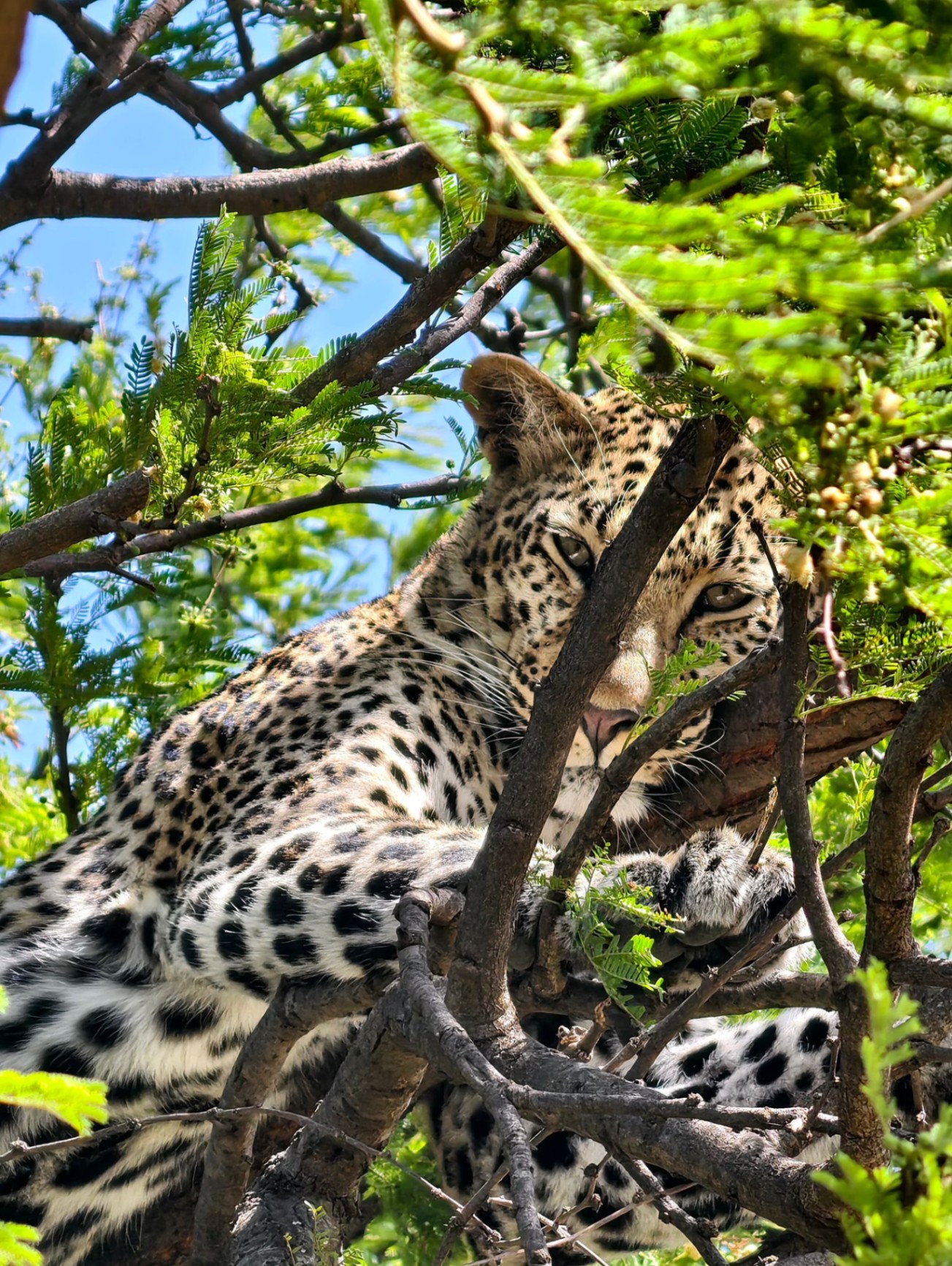
Leave camp early, after breakfast or with a packed breakfast arranged by your guide, to explore the Seronera area in the cool morning hours. Watch the riverine trees for a leopard and the grassland edges for lions, while elephants, gazelles and birds add interest between predator sightings. Your guide follows fresh signs and local wildlife information, but there is always time to sit quietly and watch behaviour unfold. Stop for a picnic lunch at a designated site, or return to camp if the day's route suits. An optional sunrise balloon flight can be booked ahead instead of the early drive. Continue with afternoon viewing, then return for dinner.

The central Serengeti is known for resident big cats, with river corridors, open hunting ground and granite kopjes providing different opportunities throughout the year. Leopards often favour substantial trees, cheetahs need space to hunt, and lions may spend much of the day resting. An early start improves the light and may reveal more activity, but a successful Serengeti safari also depends on patience. The Great Migration is seasonal; these resident animals are a reason to visit even when its herds are distant. Bring binoculars and spare camera batteries, and keep voices low at sightings.

Serengeti — a full day on the plains
Travel
Central Serengeti · local game drives; no long transfer
Overnight
Lodge or tented camp in the central Serengeti
Meals
Breakfast, picnic or hot lunch, dinner
Day 5

Serengeti to the Ngorongoro highlands

Enjoy breakfast and a final morning drive in the Serengeti before turning south towards the Ngorongoro highlands. Allow about four to five hours with stops as open grassland gradually gives way to cooler upland scenery. Along the route, visit Olduvai Gorge to learn about early human history and look across country where Maasai herders may be moving cattle between grazing areas. Lunch fits around the journey, with time to enjoy the changing views rather than hurry through them. Reach your highland lodge in the late afternoon, settle in with a hot drink and have an early dinner before tomorrow's crater descent.

Olduvai Gorge is important for fossil discoveries and stone tools that help explain human evolution; its exposed layers record a much longer story than the wildlife journey alone. The wider Ngorongoro Conservation Area also supports pastoral communities, making it different from a national park managed solely around wildlife tourism. Ask before photographing people and allow your guide to explain local etiquette. As the road climbs, the temperature can fall noticeably, especially in mist or after rain. Keep a fleece in your day bag rather than packed away, and prepare your camera and warm clothing before tonight's early bedtime.

Serengeti to the Ngorongoro highlands
Travel
Central Serengeti → Ngorongoro highlands · about 4–5 hours by road with stops
Overnight
Highland lodge on the Ngorongoro Crater rim or in Karatu
Meals
Breakfast, picnic or hot lunch, dinner
Day 6

Ngorongoro Crater — then fly to Zanzibar

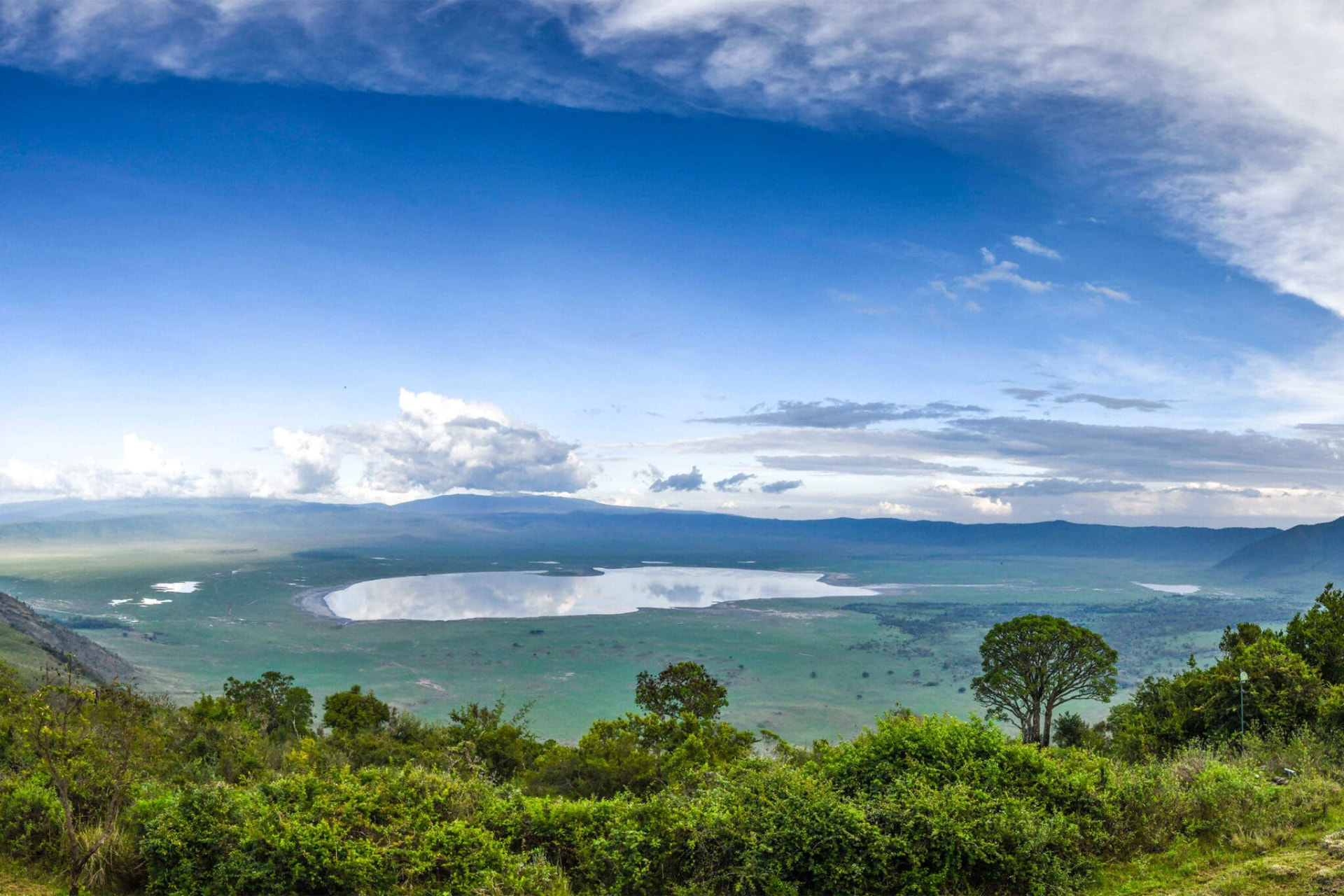
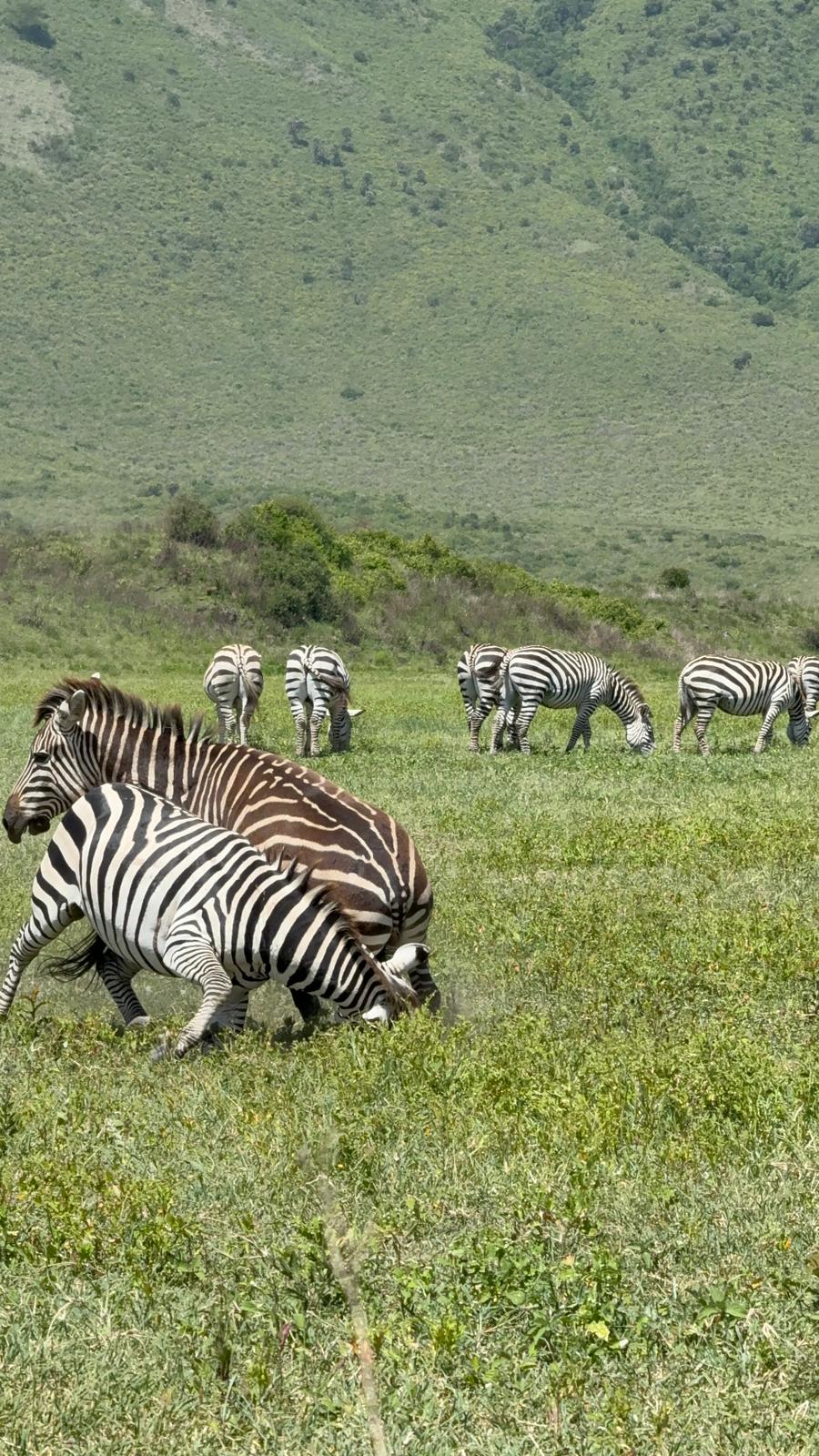
Leave your highland lodge early for the descent into the Ngorongoro Crater, dropping about 600 metres to a landscape of grassland, woodland and wetlands. Spend the morning looking for buffalo, zebra, wildebeest, elephants and lions, with a black rhino possible if conditions and luck align. After a picnic lunch, climb back to the rim and continue to Lake Manyara airstrip for your arranged flight to Zanzibar. We plan the crater visit around the confirmed flight schedule rather than squeeze the connection. On arrival, meet your island driver for the transfer of about an hour to your beach hotel, followed by dinner.

Ngorongoro Crater is a volcanic caldera whose varied habitats support resident wildlife throughout the year. Cool morning mist can linger on the rim even when the floor becomes warm, so layers are useful for this final safari drive. The journey then crosses from highland air to Zanzibar's humid Indian Ocean climate, making a change of clothes welcome. Northern Tanzania to Zanzibar flights take about one and a half to two hours, depending on routing and stops. Check the aircraft's luggage allowance before leaving Arusha, and keep travel documents and essential medicines with you rather than in checked baggage.

Ngorongoro Crater — then fly to Zanzibar
Travel
Ngorongoro Crater → Lake Manyara airstrip → Zanzibar · flight about 1.5–2 hours; beach transfer about 1 hour
Overnight
Beach hotel on Zanzibar
Meals
Breakfast, picnic lunch, dinner
Day 7

Zanzibar — your first beach day

There is no early departure today: wake to the ocean, take your time over breakfast and choose how little you would like to do. Swim when local conditions are suitable, settle into a shady reading spot or follow the shoreline for an easy walk before the heat builds. At low tide, rock pools and seaweed-growing areas may reveal another side of the beach. Lunch is at your own arrangement, leaving the afternoon free for a rest or another swim. Towards evening, look for fishing dhows offshore and enjoy the changing sky before returning to your hotel for dinner.

A Zanzibar beach holiday follows the tides as much as the clock. On the east coast, the sea can retreat a long way, while northern beaches such as Nungwi and Kendwa are generally less affected; safe swimming still depends on local conditions. June to October and December to February are usually the driest periods, with the main long rains around April and May. Bring reef-safe sun protection where available, drinking water and suitable footwear for rocky areas. Leave starfish and shells undisturbed, and ask permission before photographing people working around seaweed plots or fishing boats.

Zanzibar — your first beach day
Travel
Zanzibar · no long transfers today
Overnight
Beach hotel on Zanzibar
Meals
Breakfast, dinner
Day 8

Stone Town and a spice farm

After breakfast, leave the beach for a guided day in Stone Town and the surrounding spice-growing countryside. Walk through narrow streets past carved doors and historic buildings, pausing at the former slave market memorial and Darajani market to understand the island beyond its shoreline. See the House of Wonders from accessible public areas, with your guide explaining any current access restrictions rather than assuming an interior visit. After time to arrange lunch, continue to a spice farm to smell cloves, cinnamon and nutmeg and learn how they grow. Return to your beach hotel towards evening for dinner and a quiet night.

Stone Town's UNESCO-listed streets preserve the legacy of Indian Ocean trade, with Swahili, Arab, Indian and European influences visible in architecture and everyday life. Some monuments have restricted access or restoration work, so a good walking tour focuses on the wider town rather than one building. Zanzibar's spice identity is equally vivid in gardens, kitchens and market stalls, where growing conditions shape familiar flavours. Dress modestly away from the beach, covering shoulders and knees, and ask before taking portraits. A refillable water bottle, hat and comfortable shoes help with the humid conditions and uneven lanes.

Stone Town and a spice farm
Travel
Zanzibar beach → Stone Town and spice farm → beach · road transfers and guided walking
Overnight
Beach hotel on Zanzibar
Meals
Breakfast, dinner
Day 9

Snorkelling and a dhow sunset cruise

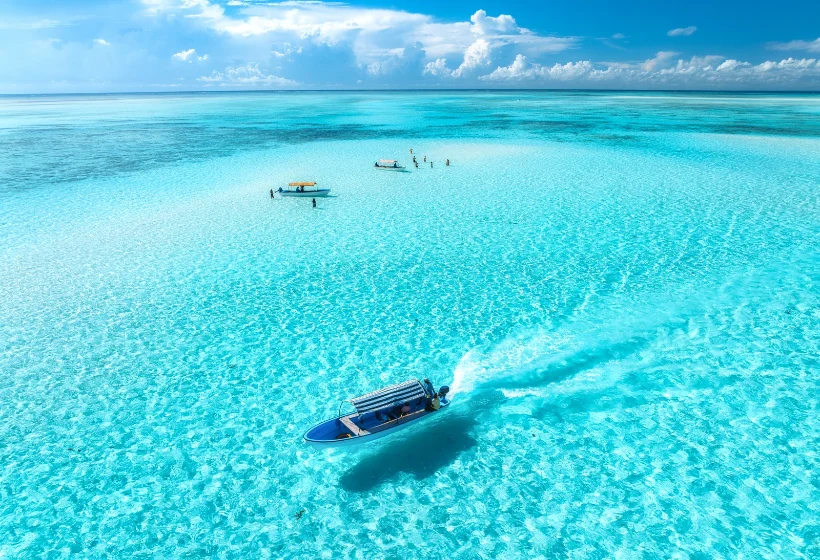
After breakfast, meet your local crew for a boat trip to suitable reefs around Mnemba Atoll or another nearby snorkelling area chosen for the conditions. Listen to the safety briefing, check your mask fit and ask for a life jacket if you prefer extra flotation. In the water, watch for colourful reef fish and perhaps a turtle; dolphins may appear during the journey but are never something to chase. Return with time to arrange lunch and rest. Later, head out on a traditional wooden dhow for a sunset cruise, weather permitting, before returning to your beach hotel for dinner.

Zanzibar's reef trips depend on wind, tides and sea state, so the best departure time and site can change. Mnemba is known for marine life, but snorkelling around its reefs does not mean landing on the private island. Responsible viewing means leaving coral untouched, keeping fins clear of the reef and allowing turtles or dolphins to move away freely. Even confident swimmers should follow the crew's instructions and describe their ability honestly. Bring a rash vest, sun protection and a dry bag; tell the crew early if you are prone to seasickness so they can advise you.

Snorkelling and a dhow sunset cruise
Travel
Zanzibar · local road and boat transfers for snorkelling and a dhow cruise
Overnight
Beach hotel on Zanzibar
Meals
Breakfast, dinner
Day 10

Zanzibar — a day at your own pace

Enjoy an unhurried breakfast and decide how to spend your last full day beside the Indian Ocean. You might arrange kitesurfing on the east coast, choose a massage or simply return to a favourite patch of shade. A cooking class or community-led seaweed visit offers a different perspective if you would like another outing; activities should be arranged in advance rather than assumed to be included. Leave lunch flexible and save time for a final swim when conditions suit. In the evening, enjoy a farewell dinner at your hotel, or discuss a separately arranged seafood restaurant visit with our local team.

Zanzibar rewards a slower final day, especially after a busy Tanzania safari. Paje is particularly associated with kitesurfing, but lessons depend on wind, tides and your instructor's assessment, not enthusiasm alone. Seaweed farming and Swahili cooking experiences are most meaningful when local hosts lead the encounter and explain their daily work. If choosing an offshore restaurant, access may change with the tide and reservations should be checked ahead. Confirm any excursion arrangements and meal substitutions before setting out. Keep a dry change of clothes ready and begin packing this evening so tomorrow's airport transfer feels relaxed rather than rushed.

Zanzibar — a day at your own pace
Travel
Zanzibar · no long transfer unless you choose an optional outing
Overnight
Beach hotel on Zanzibar
Meals
Breakfast, dinner
Day 11

Departure from Zanzibar

Enjoy breakfast by the coast and, if your flight schedule allows, a final swim or gentle walk before packing your beach things away. We confirm your collection time around the flight, your hotel's location and a sensible airport check-in buffer. Your driver then takes you to Abeid Amani Karume International Airport (ZNZ) for your journey home or onward connection. For an evening departure, ask in advance about luggage storage or an optional day room rather than assuming your room remains available. Lunch is at your own arrangement if needed, and our Arusha team remains available for assistance as you finish the trip.

Your Tanzania safari and Zanzibar beach holiday ends on the island, not with a return drive to Arusha or Kilimanjaro International Airport. Zanzibar Airport handles international departures, while JRO was the international gateway for your mainland arrival; use the airport and terminal shown on your confirmed ticket. Road transfer times vary between coastal areas and with traffic, so leave the final timing to the local team rather than estimating from a map. Keep passports, onward tickets and essential medicines in hand luggage, and allow wet swimwear to dry before packing. A light layer can be useful once you enter air-conditioned terminals.

Departure from Zanzibar
Travel
Zanzibar beach hotel → Abeid Amani Karume International Airport (ZNZ) · about 1–1.5 hours by road, depending on coast
Overnight
End of trip — no overnight
Meals
Breakfast

Make your dream trip come true with Lion Whisper

Every sample itinerary can be changed to suit you. Our local guides work with you to plan the trip you really want.

Request this trip now

Why Lion Whisper?

  • Private guide and vehicle — never a shared group
  • Local guides based in Arusha
  • Routes built around your dates and pace
  • Honest advice, no sales script
  • English-speaking guides
  • 24/7 support while you travel
See all safaris
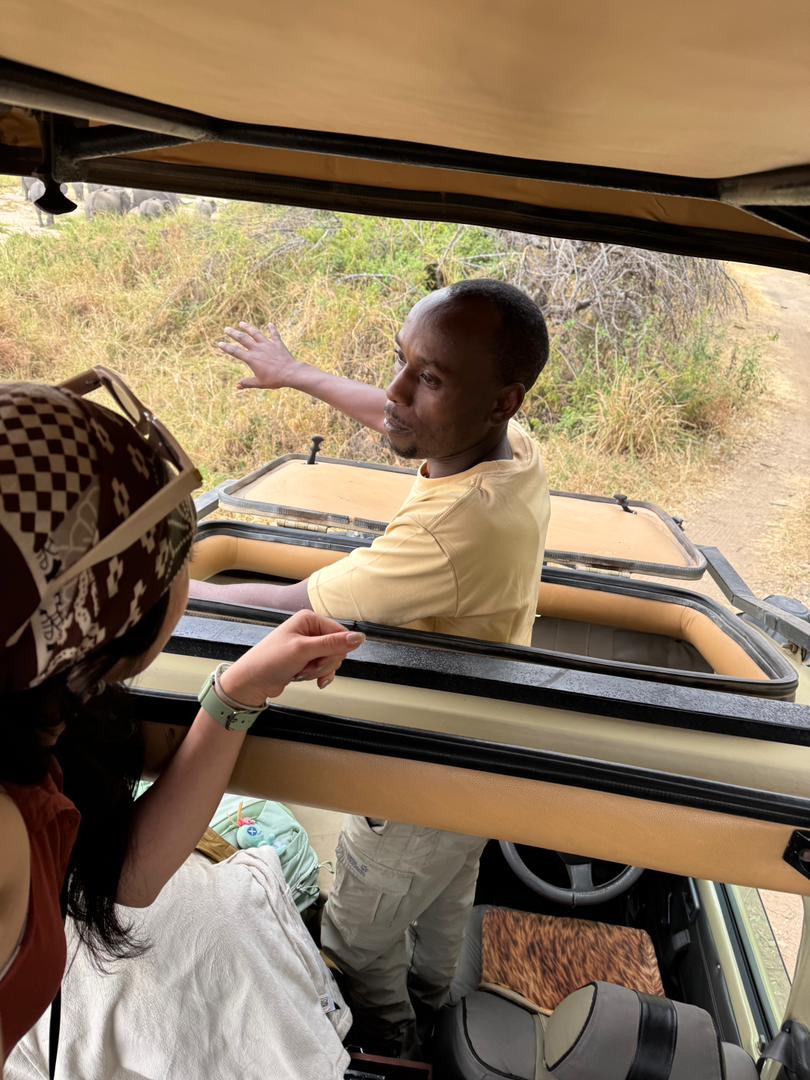
Lion Whisper guide explaining wildlife from the safari vehicle

Let us create your tailor-made trip

Free, no-obligation advice

Plan a Custom Safari

Talk to a local guide

Our team in Arusha is here to help — English · Swahili · French (on request).