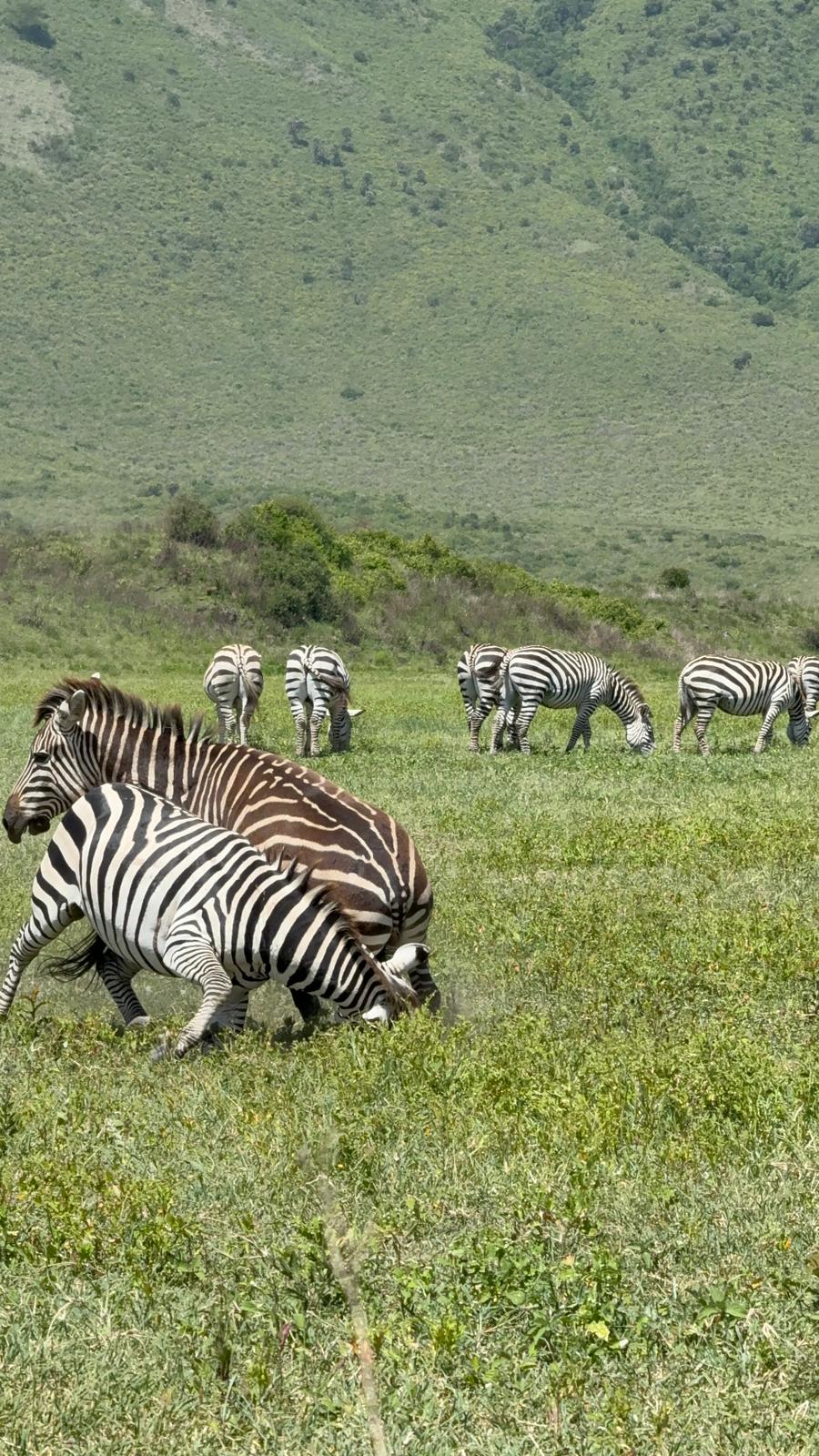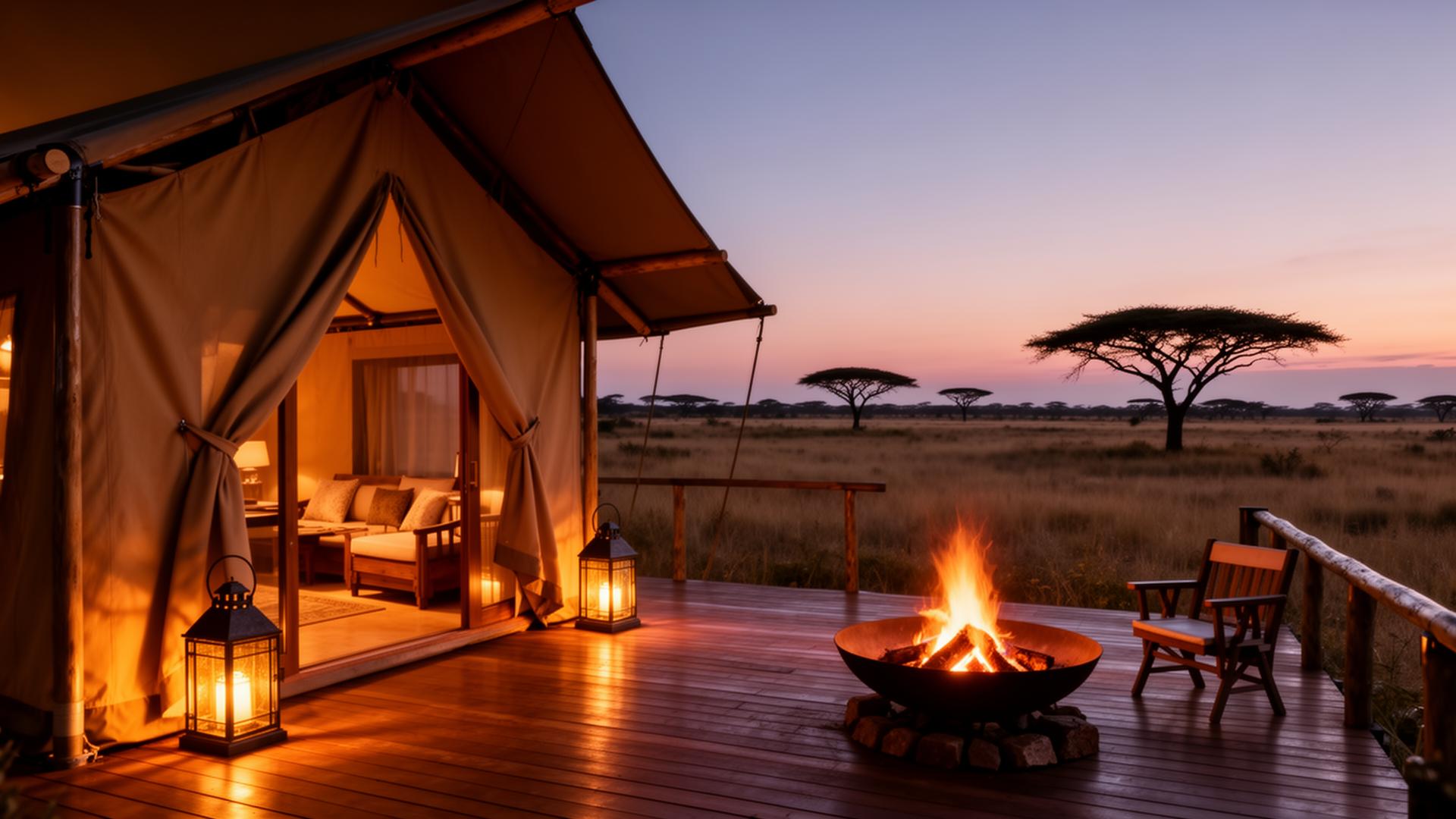
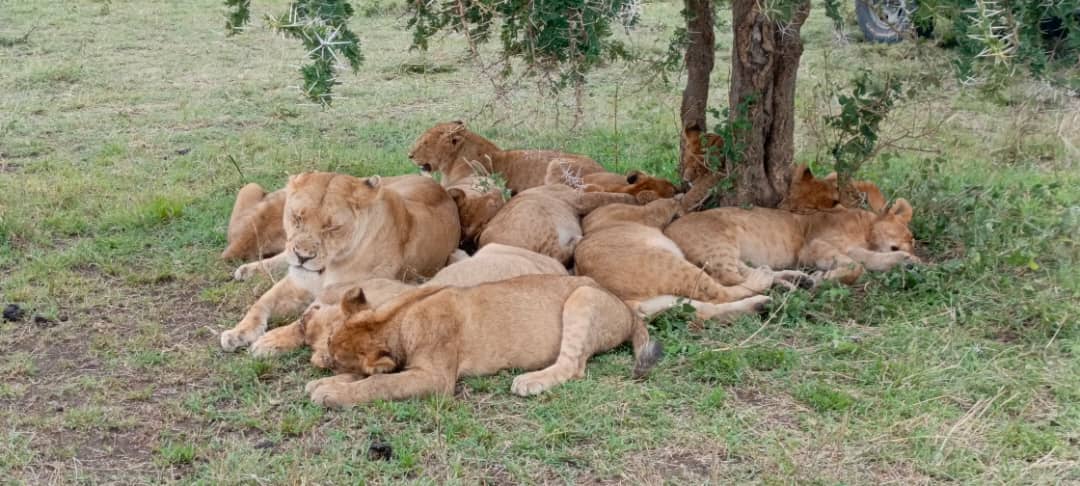
• Big Five
  • Great Migration
  • Family-friendly

Complete Northern Circuit

Classic / 8 days / 7 nights

Private, tailor-made and planned by local guides in Arusha.

  1. Home
  2. Safaris
  3. Complete Northern Circuit
Back to Home

Complete Northern Circuit

The northern circuit done properly: three nights inside the Serengeti, a full Crater day and time to breathe in between. Our favourite first safari.

  • Three nights in the central Serengeti
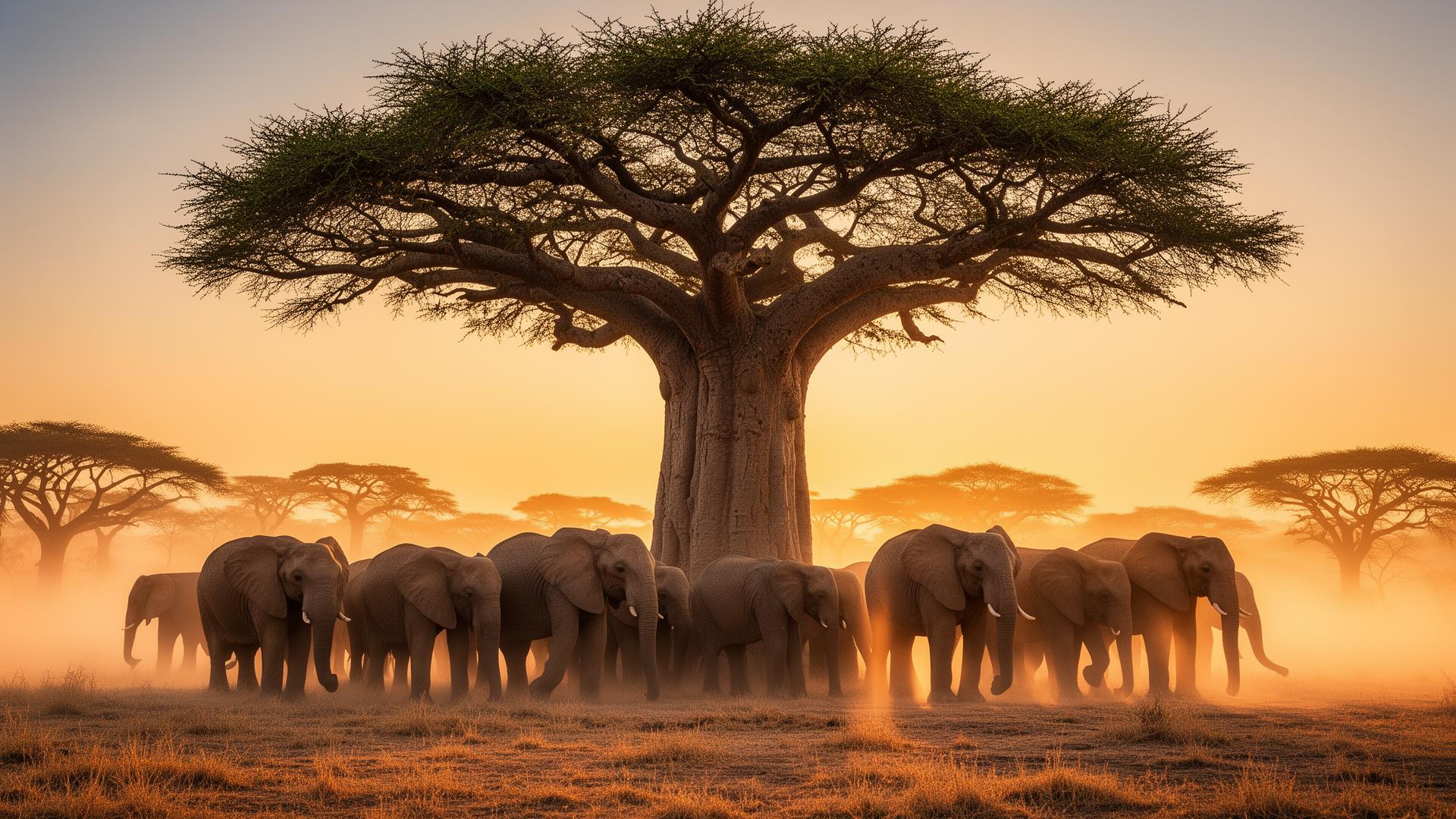
  • Tarangire elephants & baobabs
  • Full morning on the Ngorongoro Crater floor
  • Karatu coffee farm and village walk

Make your dream trip come true with Lion Whisper

Every sample itinerary can be changed to suit you. Our local guides work with you to plan the trip you really want.

Request this trip now

Itinerary

  1. Day 1: Karibu — arrive at Kilimanjaro, rest in Arusha
  2. Day 2: Arusha to Tarangire National Park
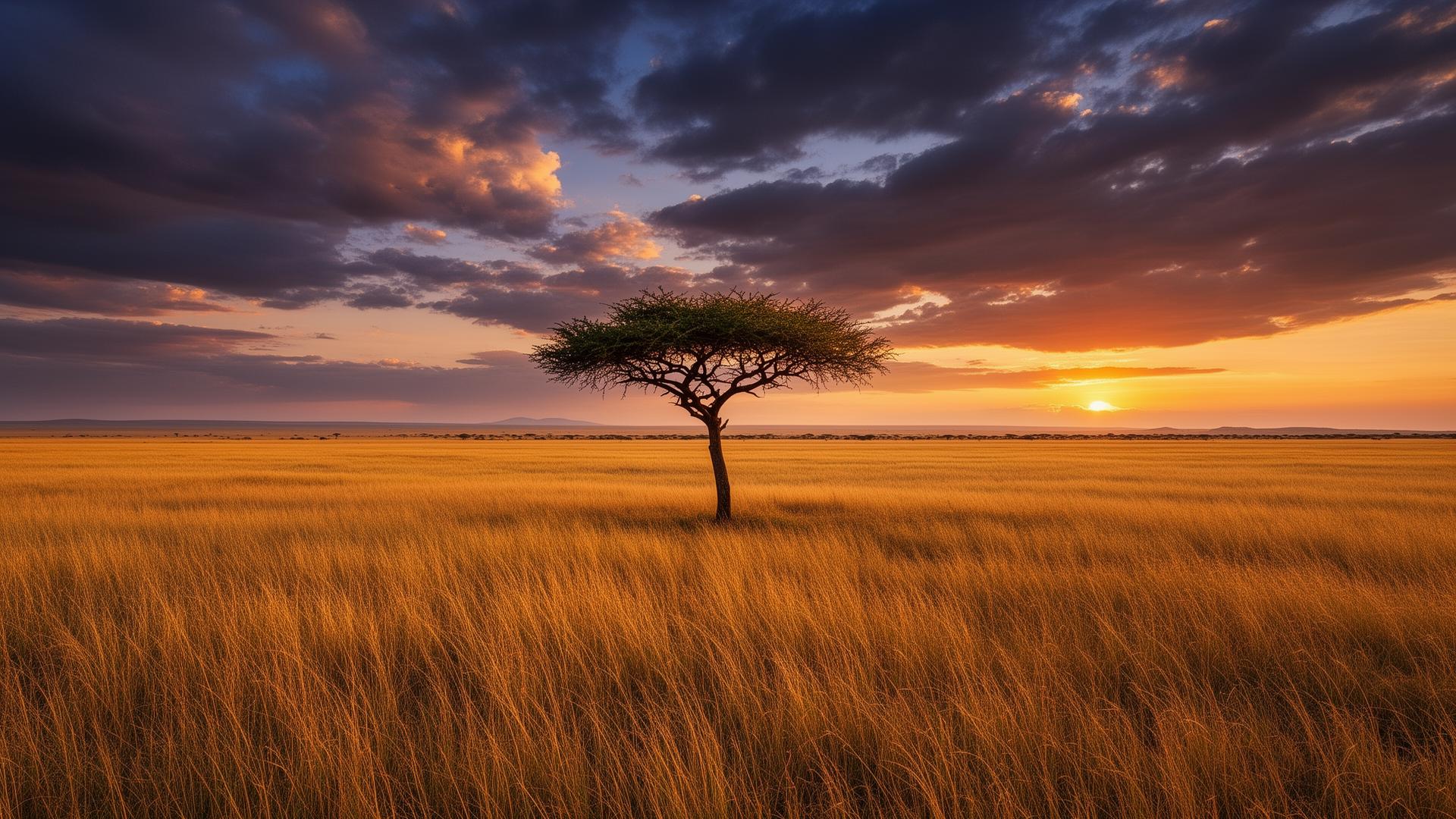
  3. Day 3: Into the Serengeti — the endless plains
  4. Day 4: Central Serengeti — big-cat country
  5. Day 5: Serengeti — following the herds
  6. Day 6: Serengeti to the Ngorongoro highlands
  7. Day 7: Ngorongoro Crater — a world inside a volcano
  8. Day 8: Karatu to Arusha — kwaheri for now
Complete Northern Circuit — route photo
Route at a glance
  1. Arusha
  2. Tarangire
  3. 3 days Central Serengeti
  4. 2 days Ngorongoro
  5. Arusha
Day 1

Karibu — arrive at Kilimanjaro, rest in Arusha

Your safari begins when we meet you at Kilimanjaro International Airport (JRO) after your arrival formalities. Settle into the vehicle for the drive to Arusha, taking about an hour through a landscape of small settlements, fields and roadside businesses. Mount Meru may rise ahead when the clouds clear, with a possible glimpse of Kilimanjaro behind you. There is no need to rush into sightseeing: at your lodge, take time for a shower and a rest. Your guide joins you for a relaxed briefing, asking what you most hope to see and explaining the route, daily rhythm and practical arrangements before dinner and an early night.

Arusha is the gateway to Tanzania’s northern safari circuit, set beneath Mount Meru and surrounded by agricultural country. JRO is the international arrival airport for this itinerary; Arusha’s smaller airport serves domestic connections. The town can feel cool in the evening, particularly after rain, so keep a light fleece in your hand luggage. Use the briefing to mention dietary needs and any concerns about long drives. Charging camera batteries tonight and keeping essential medicines with you will make tomorrow’s departure much easier.
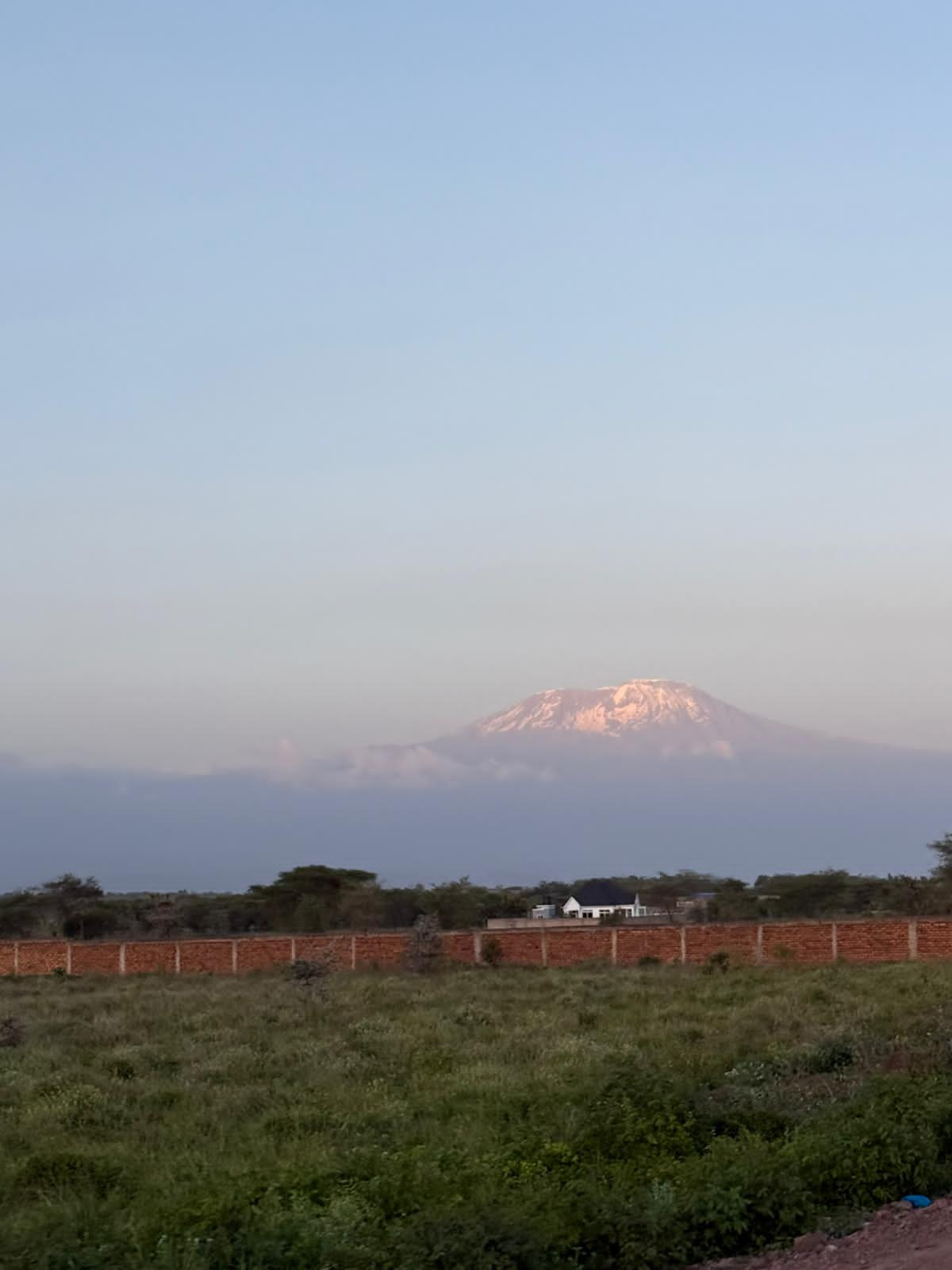
Karibu — arrive at Kilimanjaro, rest in Arusha
Travel
Kilimanjaro International Airport (JRO) → Arusha · about 1 hour by road
Overnight
Lodge in or near Arusha
Meals
Dinner
Day 2

Arusha to Tarangire National Park

After breakfast, meet your guide and drive south-west from Arusha towards Tarangire National Park, about two hours away. The journey introduces you to roadside villages and broad stretches of grazing country before the first great baobabs appear. Inside the park, begin your game drive with the roof raised, watching for elephants feeding beside the river and giraffes browsing above the bushes. Your guide may pause for tiny dik-dik, a resting lion or an unfamiliar bird as readily as for a large herd. Enjoy a picnic lunch at a designated site and an afternoon of exploration before dinner at your lodge or tented camp.

Tarangire’s river and seasonal wetlands support a rich mix of wildlife, especially during the drier months from about June to October. Elephant families often gather near water, though their exact movements change with rainfall and available forage. The park is also excellent for birdwatching, with hornbills, rollers and raptors adding interest between mammal sightings. A Tarangire National Park safari rewards patience: watch how animals interact rather than expecting constant action. Bring binoculars, a sunhat and a dust cover for your camera, particularly when tracks become dry.

Arusha to Tarangire National Park
Travel
Arusha → Tarangire · about 2 hours by road
Overnight
Lodge or tented camp in or near Tarangire National Park
Meals
Breakfast, picnic or hot lunch, dinner
Day 3

Into the Serengeti — the endless plains

Leave after an early breakfast for a varied journey through northern Tanzania. The road climbs towards the Rift Valley escarpment, passes Karatu’s cultivated hills and winds through the cooler Ngorongoro highlands. You may see Maasai herders tending livestock beside the road before the land opens into the Serengeti plains. Allow about 6–7 hours with stops and game viewing, with a packed lunch along the way. After the Naabi Hill entrance, keep your binoculars ready for gazelles, ostriches and perhaps a cheetah surveying the grass. Continue towards your central Serengeti accommodation, arriving towards sunset for dinner and a welcome rest after the journey.

The transition from forested highlands to open savannah is one of the memorable experiences of a northern Tanzania safari. Central Serengeti offers resident wildlife throughout the year, even when the Great Migration is elsewhere. Rainfall influences how green the plains appear and where grazing animals concentrate, so your first sightings will depend on current conditions rather than a fixed route. Keep a warm layer available for the highland stretch and protect electronics from road dust. Ask before photographing people along the road; respectful encounters matter as much as wildlife etiquette.

Into the Serengeti — the endless plains
Travel
Tarangire → central Serengeti · about 6–7 hours with stops and game viewing
Overnight
Lodge or tented camp in the central Serengeti
Meals
Breakfast, picnic or hot lunch, dinner
Day 4

Central Serengeti — big-cat country

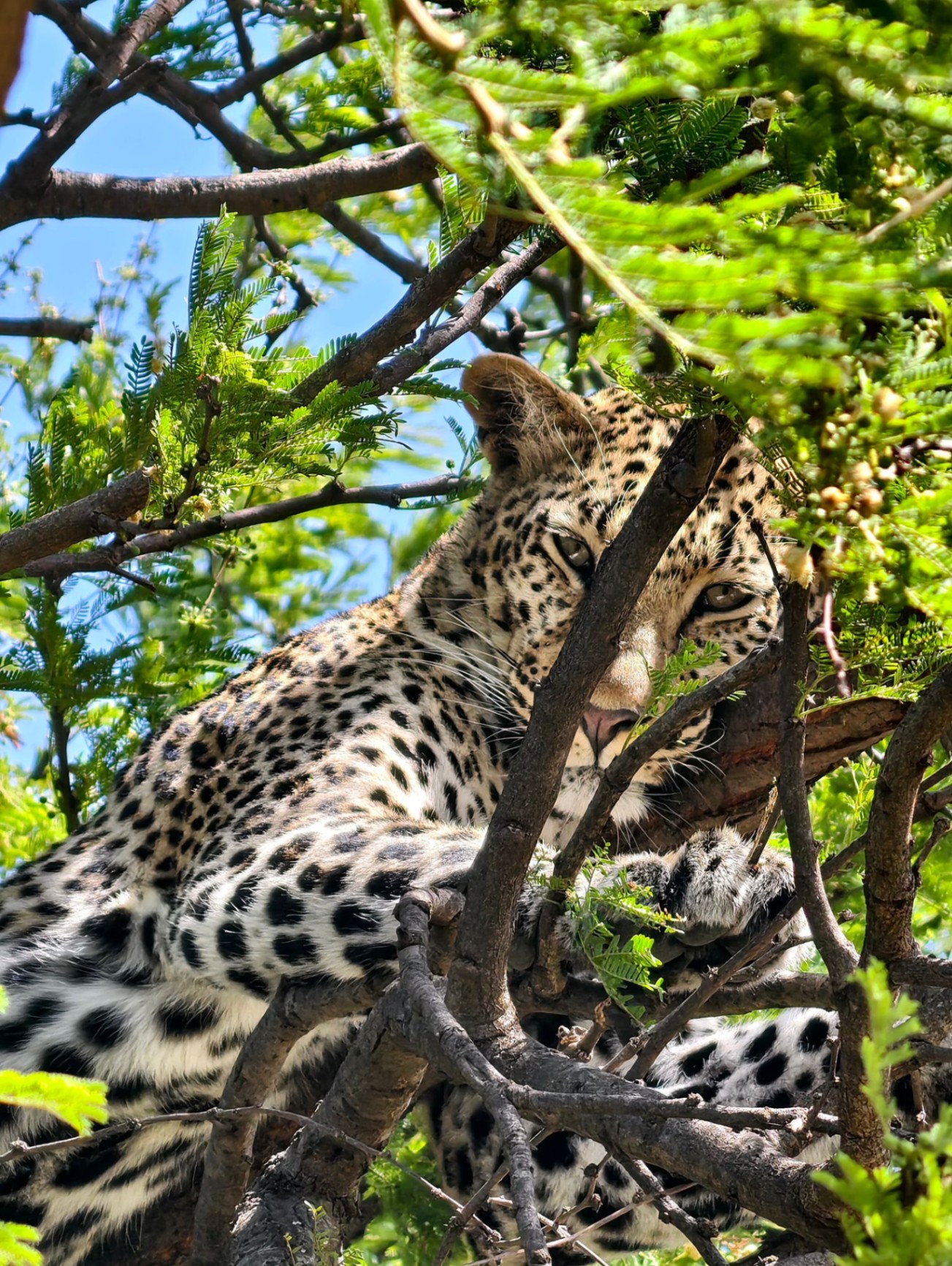
Head out around dawn, with breakfast arrangements agreed with your guide, to explore the Seronera area while the air is cool. Lions may still be moving after the night, and a leopard might be resting in a tree above the riverine woodland. Your guide watches for alarm calls, circling vultures and the direction in which grazing animals are staring. Nothing is guaranteed, but following these clues makes the search absorbing. Take a picnic lunch at a designated place or return to camp for lunch and a rest, depending on the day’s route. Later, explore again as temperatures ease, then return for dinner beneath the wide evening sky.

The Seronera valley is a particularly rewarding base for a Serengeti safari because its watercourses and varied habitats support resident prey and predators. Rocky kopjes offer lookout points and shelter, while woodland can conceal animals surprisingly well. Big cats are present throughout the year, although sightings require patience and good positioning rather than rushing between vehicles. Bring binoculars even if you have a long camera lens: scanning tree branches is much easier with them. Keep voices low at sightings and let your guide maintain a respectful distance.

Central Serengeti — big-cat country
Travel
Central Serengeti · morning and afternoon game drives
Overnight
Lodge or tented camp in the central Serengeti
Meals
Breakfast, picnic or hot lunch, dinner
Day 5

Serengeti — following the herds

After an early breakfast, set out for a second full day in the Serengeti, allowing your guide to choose a direction based on recent wildlife movements. When the migration is within practical reach, you may encounter lines of wildebeest and zebra spreading across the plains. Otherwise, explore towards Moru’s rocky outcrops, the Retima hippo pool or valleys east of Seronera, depending on conditions. Stop for a picnic lunch and take time to watch smaller details, from dung beetles to the changing behaviour of a resting herd. Return to your central camp for dinner. An optional balloon flight can replace the early drive when arranged in advance.

The Great Migration is a moving ecosystem rather than a single event, and central Serengeti often sees passing herds roughly from April to June and again in November–December. Rainfall can shift that pattern, so no particular concentration is promised. Resident lions, hyenas, giraffes and many antelope make this area worthwhile outside migration periods too. If you choose the optional sunrise balloon excursion, confirm arrangements before travelling and follow the operator’s clothing guidance. For a normal game-drive day, pack sunscreen and a light layer: open plains can feel cool early and hot by midday.

Serengeti — following the herds
Travel
Central Serengeti · full-day game viewing, route chosen for current conditions
Overnight
Lodge or tented camp in the central Serengeti
Meals
Breakfast, picnic or hot lunch, dinner
Day 6

Serengeti to the Ngorongoro highlands

Begin with breakfast and a final morning game drive through the central Serengeti, taking time for whatever the plains reveal before turning south. Watch the landscape change as open grasslands lead towards the Ngorongoro Conservation Area and the road climbs into cooler country. A stop at Olduvai Gorge adds a different perspective to the journey, introducing the long human story of this landscape. Enjoy a packed lunch en route and look across country where Maasai pastoralists graze livestock alongside wildlife. Allow about 4–5 hours from central Serengeti, with the day’s stops shaping your arrival time. Dinner awaits at your highland lodge, followed by an early night.

Olduvai Gorge is internationally important for discoveries relating to early human ancestors and ancient stone tools. Seeing its exposed layers makes the journey more than a transfer between wildlife areas. The wider conservation area combines pastoral land use with wildlife conservation, unlike the national park you have just left. As you gain height, temperatures drop and mist can gather over the forested slopes. Keep a fleece accessible rather than packed away, and ask before photographing local people. Tomorrow’s Ngorongoro Crater safari starts early, so prepare your camera and day bag tonight.

Serengeti to the Ngorongoro highlands
Travel
Central Serengeti → Ngorongoro highlands · about 4–5 hours, with stops affecting arrival
Overnight
Highland lodge on the Ngorongoro rim or in Karatu
Meals
Breakfast, picnic or hot lunch, dinner
Day 7

Ngorongoro Crater — a world inside a volcano

Leave early and descend into the Ngorongoro Crater soon after access opens, when the floor is still cool and the light soft. Your guide explores open grassland, wetland margins and woodland, looking for buffalo, zebra, wildebeest and lions. Scan carefully for black rhino, remembering that even here a sighting cannot be promised. Elephants may feed near the forest, and hippos often gather in the pools. Enjoy your picnic lunch at an approved stop before climbing back to the highlands and continuing to Karatu. If time and energy allow, an optional coffee-farm walk or village visit offers a gentle change of pace before dinner.

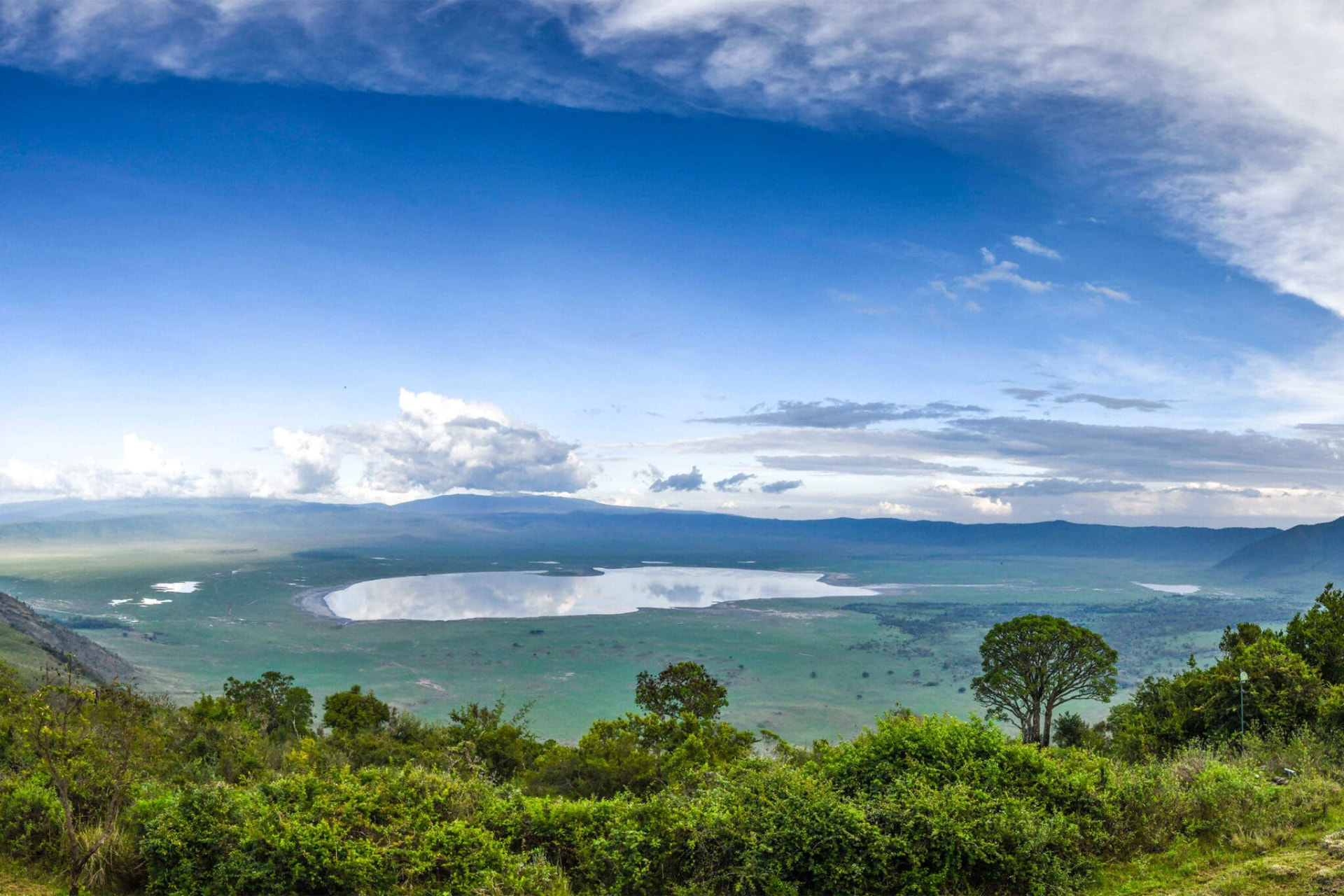
About 600 metres below its rim, the Ngorongoro Crater holds several distinct habitats within a single volcanic caldera. Lake Magadi may attract flamingos when feeding conditions suit them, while grassland supports resident grazers throughout the year. Mist and cold air on the rim can give way to much warmer conditions below, so dress in removable layers. Around Karatu, coffee-growing farms and cultivated hillsides reveal another side of northern Tanzania. On any optional community visit, follow your host’s lead and seek permission for photographs rather than treating daily life as a spectacle.

Ngorongoro Crater — a world inside a volcano
Travel
Ngorongoro highlands → Crater floor → Karatu · about 600 metres of descent into the caldera
Overnight
Highland lodge in Karatu
Meals
Breakfast, picnic or hot lunch, dinner
Day 8

Karatu to Arusha — kwaheri for now

Enjoy a relaxed breakfast before leaving Karatu for Arusha, a drive of about 2.5–3 hours through the Rift Valley. Cultivated hills give way to broader views, and you pass Mto wa Mbu, where busy roadside stalls offer a glimpse of everyday trading life. If you wish, pause for local crafts before continuing. In Arusha, allow time for lunch and a final souvenir stop, with the afternoon arranged around your onward plans rather than a rigid sightseeing schedule. For an evening international flight, continue to Kilimanjaro International Airport (JRO); if you are staying locally, finish with a hotel drop-off and a warm farewell from your guide.

Arusha sits beneath Mount Meru and links the northern parks with the wider region. After several days in wildlife country, its markets, gardens and everyday traffic offer a different perspective on Tanzania. JRO is the international departure airport for this itinerary, about an hour from Arusha, and your transfer must also allow for check-in and possible road delays. Keep travel documents and essentials within reach rather than deep in your safari bag. Your guide confirms the departure schedule beforehand so that lunch, shopping and the airport journey fit comfortably around your flight.

Karatu to Arusha — kwaheri for now
Travel
Karatu → Arusha · about 2.5–3 hours; Arusha → JRO · about 1 hour
Overnight
End of trip — no overnight
Meals
Breakfast, picnic lunch

Make your dream trip come true with Lion Whisper

Every sample itinerary can be changed to suit you. Our local guides work with you to plan the trip you really want.

Request this trip now

Why Lion Whisper?

  • Private guide and vehicle — never a shared group
  • Local guides based in Arusha
  • Routes built around your dates and pace
  • Honest advice, no sales script
  • English-speaking guides
  • 24/7 support while you travel
See all safaris
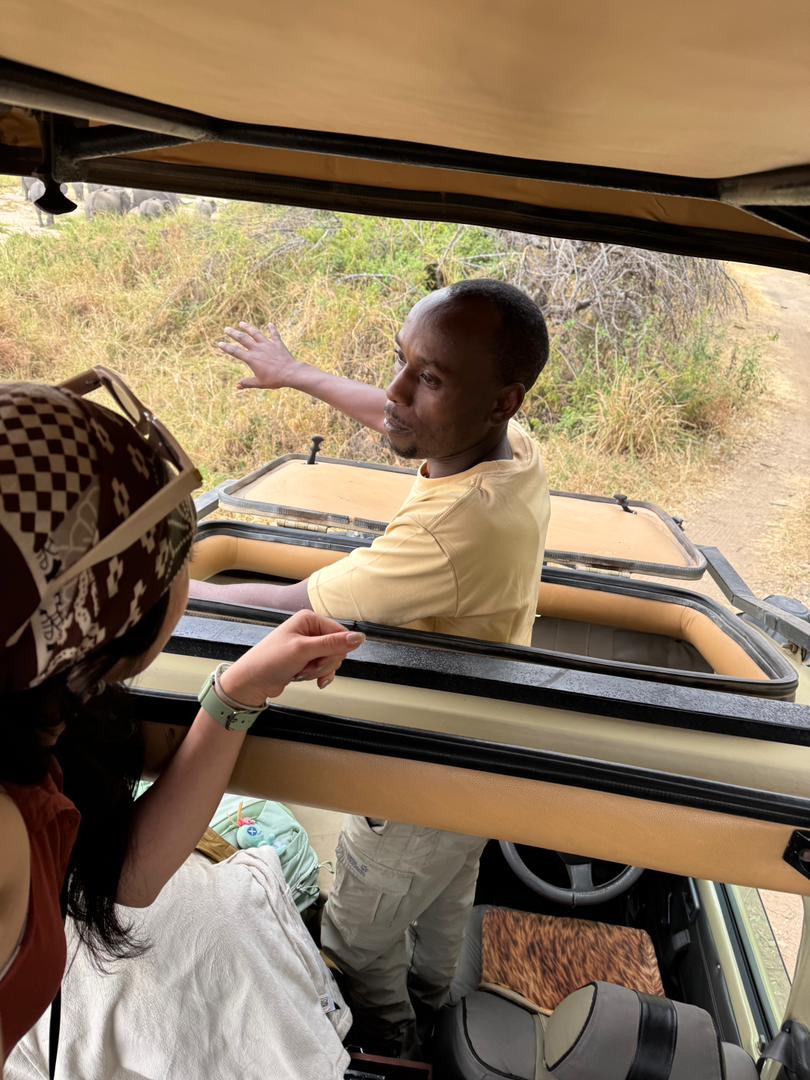
Lion Whisper guide explaining wildlife from the safari vehicle

Let us create your tailor-made trip

Free, no-obligation advice

Plan a Custom Safari

Talk to a local guide

Our team in Arusha is here to help — English · Swahili · French (on request).