• Big Five
  • Family-friendly

Northern Classic

Signature / 7 days / 6 nights

Private, tailor-made and planned by local guides in Arusha.

  1. Home
  2. Safaris
  3. Northern Classic
Back to Home

Northern Classic

Our flagship circuit through Tanzania's four great northern parks — built for first-time guests who want to see everything without rushing.

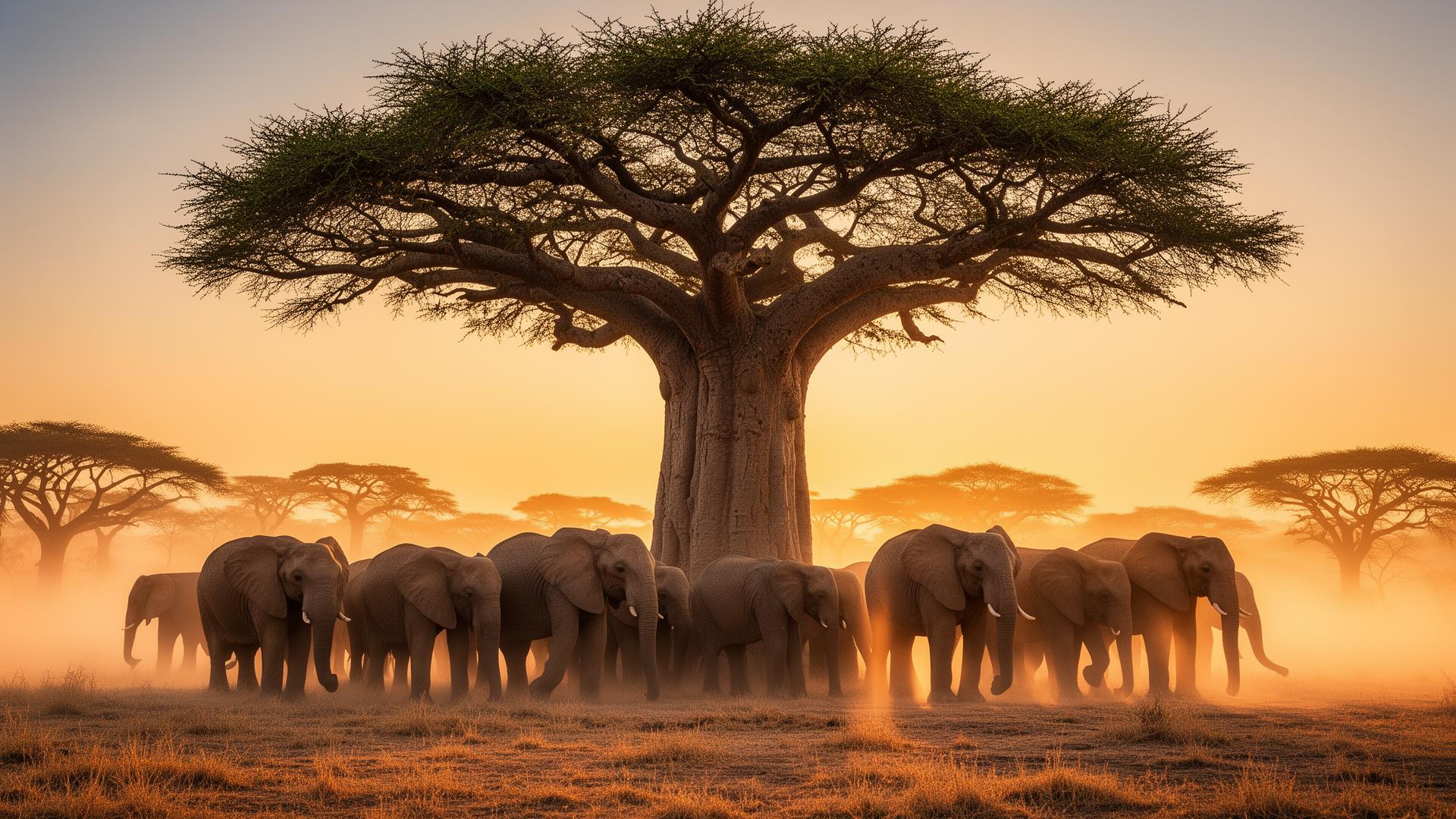
  • Tarangire elephant herds & ancient baobabs
  • Two full nights inside the Serengeti
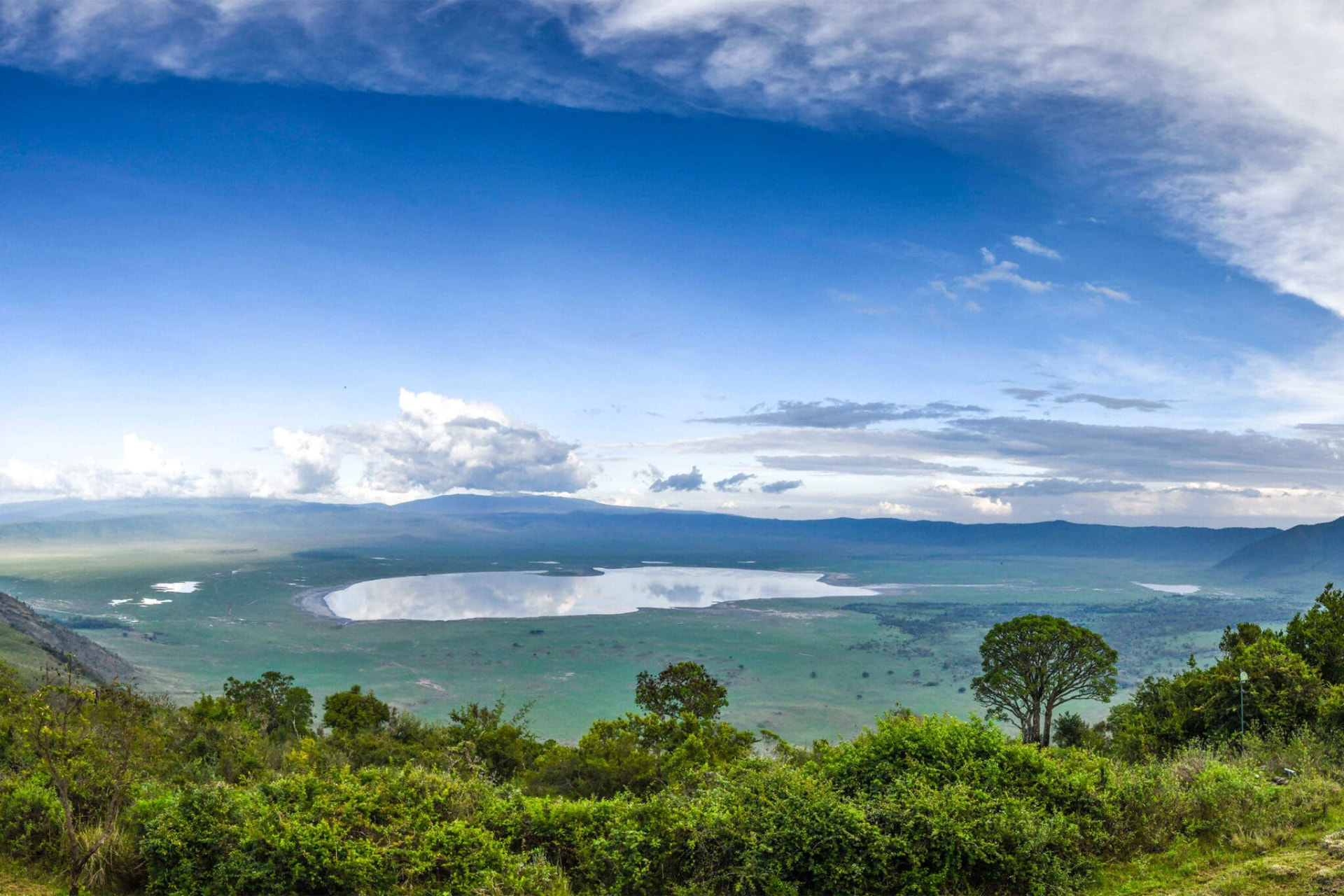
  • Descent into the Ngorongoro Crater
  • Private 4×4 Land Cruiser with pop-up roof

Make your dream trip come true with Lion Whisper

Every sample itinerary can be changed to suit you. Our local guides work with you to plan the trip you really want.

Request this trip now

Itinerary

  1. Day 1: Arrive Kilimanjaro · Transfer to Arusha
  2. Day 2: Arusha → Tarangire National Park
  3. Day 3: Tarangire → Lake Manyara → Karatu
  4. Day 4: Serengeti — Central Seronera
  5. Day 5: Serengeti — Full Day
  6. Day 6: Serengeti → Ngorongoro Crater
  7. Day 7: Crater rim → Arusha / JRO
Northern Classic — route photo
Route at a glance
  1. Arusha
  2. Tarangire
  3. Lake Manyara
  4. 2 days Central Serengeti
  5. Ngorongoro Crater
  6. Arusha
Day 1

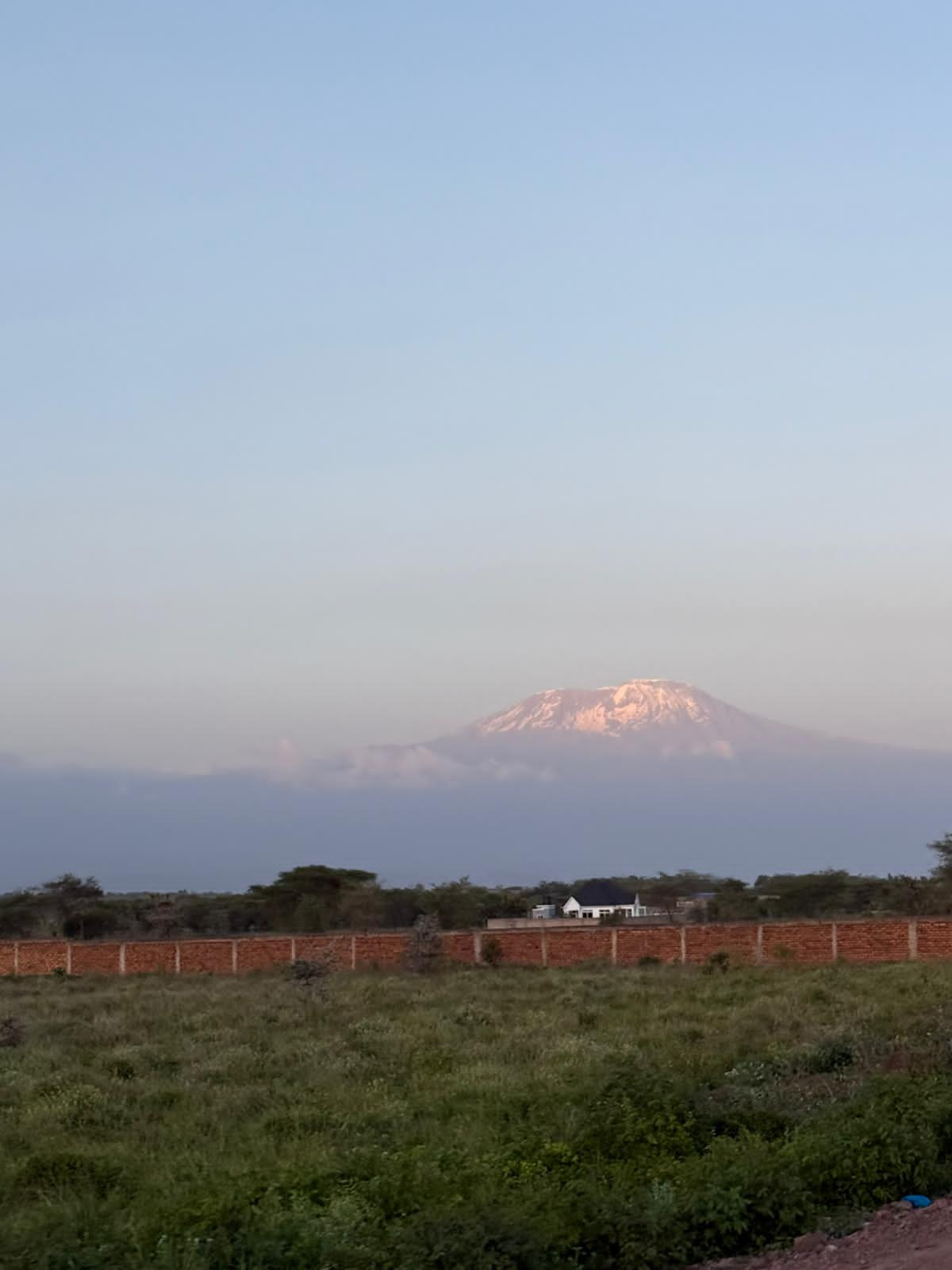
Arrive Kilimanjaro · Transfer to Arusha

Your safari begins when we meet you at Kilimanjaro International Airport (JRO), with your transfer arranged around your arrival time. The drive to Arusha takes about 50 minutes to an hour, passing small settlements, cultivated land and roadside stalls. On a clear day, Mount Meru gives a striking welcome above the town. Settle into your lodge, freshen up and take the afternoon at your own pace if flight timings allow. Over dinner or during a relaxed evening briefing, your English-speaking guide talks through the route, daily routines and your wildlife interests, so you know what to expect before setting off tomorrow.

Arusha is the natural starting point for a northern Tanzania safari, sitting below Mount Meru between busy farmland and the roads towards the Rift Valley. JRO is the international gateway for this itinerary; Arusha's smaller airport serves domestic flights, so check the airport name carefully on your travel documents. Evenings here can feel cool after the heat of the coast or a long flight. Keep a light fleece and your essential medication in your hand luggage, and make tonight an easy one: a good rest helps you enjoy an early safari start.
Arrive Kilimanjaro · Transfer to Arusha
Travel
Kilimanjaro International Airport → Arusha · about 50 minutes–1 hour by road
Overnight
Lodge in Arusha
Meals
Dinner
Day 2

Arusha → Tarangire National Park

After breakfast, leave Arusha with your guide for the drive to Tarangire National Park, taking about two and a half hours. Town streets gradually give way to open country and roadside villages before the first baobabs announce a different landscape. Once inside the park, begin looking along the river valleys and woodland edges, where elephants may be feeding or moving towards water. Pause for lunch at a designated picnic spot, then spend the afternoon following the tracks at an unhurried pace. Giraffes, impalas and an extraordinary variety of birds reward careful watching between larger sightings. Head to your accommodation before evening, with time to settle in before dinner.

Tarangire National Park is especially known for its elephant families, sculptural baobabs and seasonal river, an important water source during the dry months. From about June to October, animals often gather closer to remaining water, while greener months bring fresh vegetation and lively birdlife. Lions occur here too, although the pleasure of Tarangire is as much in the whole landscape as any single sighting. Bring binoculars and keep your camera ready for smaller details: a bird on a branch or a young elephant learning to use its trunk can become the day's favourite memory.

Arusha → Tarangire National Park
Travel
Arusha → Tarangire · about 2.5 hours by road, plus game drives
Overnight
Lodge or tented camp in or near Tarangire National Park
Meals
Breakfast, picnic or hot lunch, dinner
Day 3

Tarangire → Lake Manyara → Karatu

Start with breakfast and a morning look around Tarangire, using the cooler hours to revisit promising riverbanks or woodland tracks. Your guide balances this final game drive with the journey onwards, so there is time to enjoy Lake Manyara rather than simply pass through. Travel towards the Rift Valley escarpment and stop for lunch before or during your visit to the park. Beneath the steep escarpment, explore a changing mosaic of forest, open ground and lakeshore habitats. You may encounter baboons, elephants and waterbirds, with any lion sighting a welcome bonus. Later, continue up into the cooler farming country around Karatu, arriving for dinner and an overnight stay.

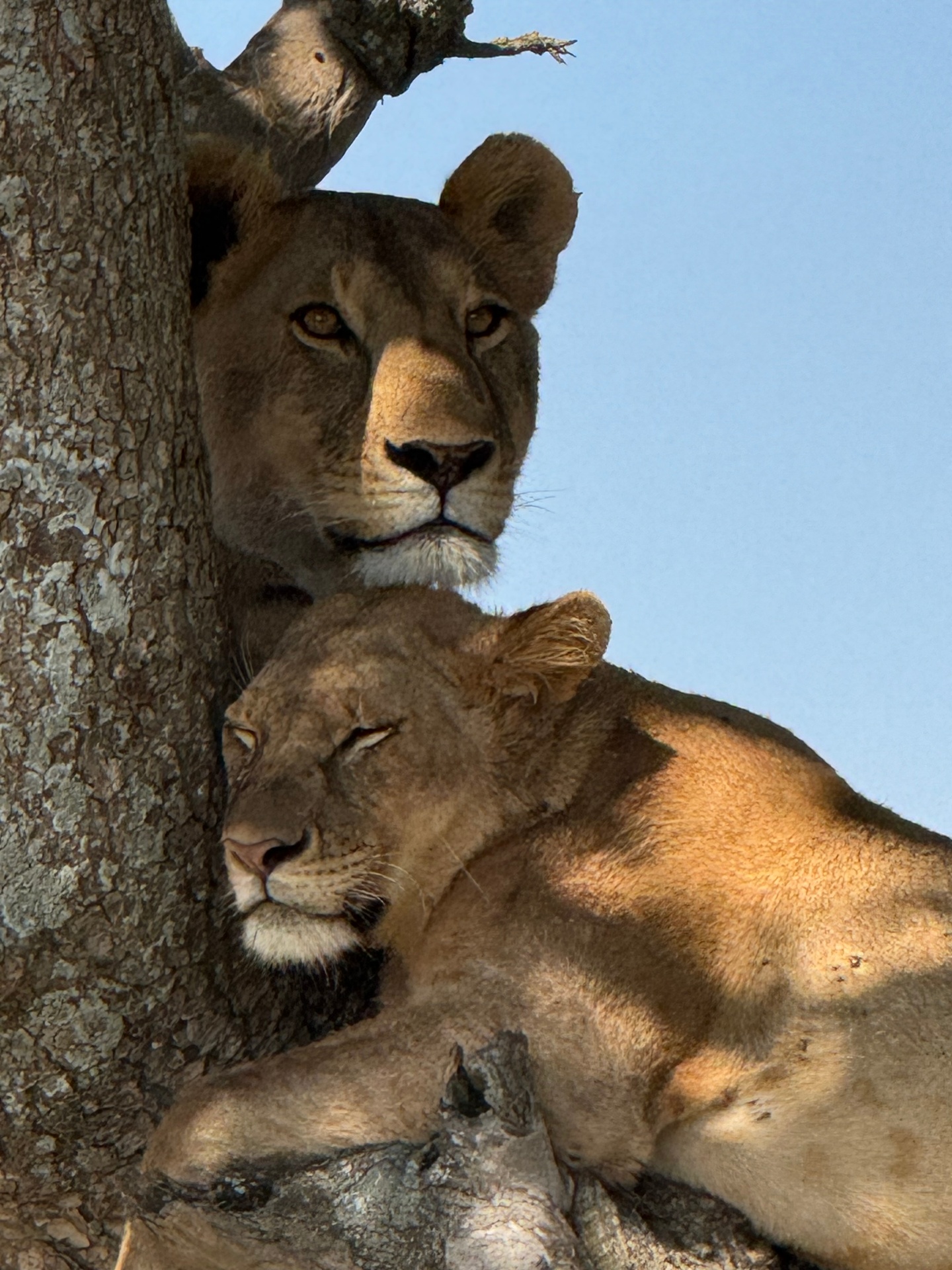
Lake Manyara National Park packs remarkable habitat variety into a relatively compact area. Its groundwater forest contrasts with the exposed lake margin, where flamingo numbers fluctuate with water levels and feeding conditions. The park is associated with tree-climbing lions, but finding them is never certain, and your guide will keep the day focused on everything the landscape offers. Lake levels and seasonal rain can also affect which tracks are accessible. Keep a light layer within reach for the climb towards Karatu, and use binoculars for birds along the shore rather than expecting every sighting close to the vehicle.

Tarangire → Lake Manyara → Karatu
Travel
Tarangire → Lake Manyara → Karatu · about 3–4 hours by road in total, plus game drives
Overnight
Lodge in Karatu
Meals
Breakfast, picnic or hot lunch, dinner
Day 4

Serengeti — Central Seronera

Leave Karatu after an early breakfast and climb into the Ngorongoro highlands, where forested slopes and cooler air mark a dramatic change from yesterday's valley floor. As the road descends towards the Serengeti, the views open into broad grasslands interrupted by rocky outcrops. Carry a picnic lunch for the journey, with stops arranged around road conditions and park formalities. Enter the Serengeti and continue towards Central Seronera, watching for wildlife along the way rather than treating the drive as empty travelling time. If arrival timing allows, spend the afternoon searching river margins and open plains for big cats before reaching your camp or lodge for dinner.

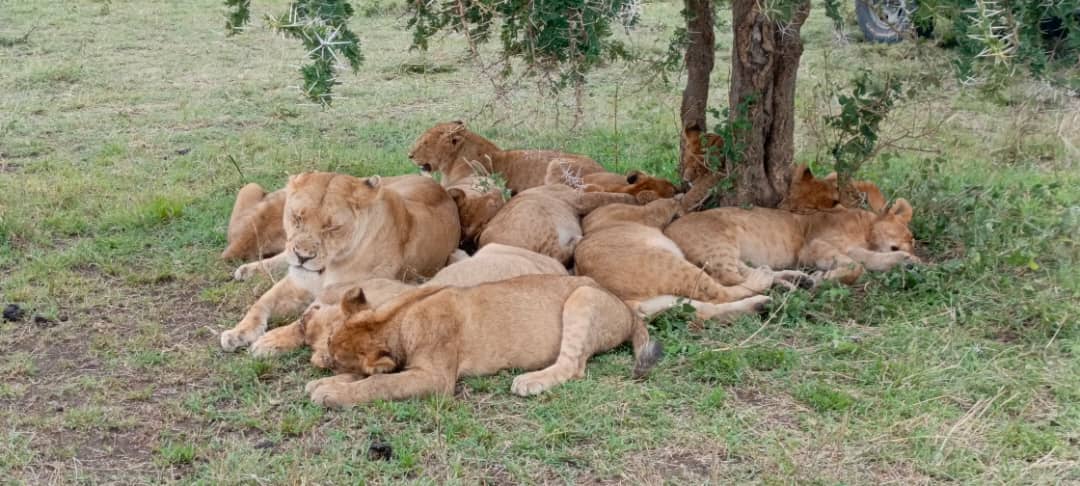
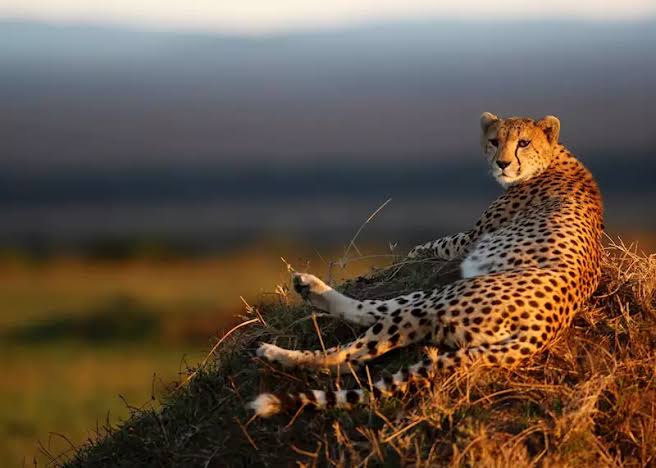
Central Serengeti is a rewarding base because the Seronera valley has water and varied habitats that support resident wildlife beyond the seasonal movement of the Great Migration. Lions may rest beside kopjes, leopards sometimes use large trees, and cheetahs favour more open ground, but each sighting depends on the day. The journey from Karatu is substantial, with rough stretches that make a relaxed pace important. Keep a scarf handy for dust and protect camera equipment in a closed bag between stops. This first afternoon introduces your Serengeti safari; tomorrow gives you a full day to explore more deeply.

Serengeti — Central Seronera
Travel
Karatu → Central Serengeti via Ngorongoro highlands · about 5–6 hours by road, plus wildlife stops
Overnight
Lodge or tented camp in Central Serengeti
Meals
Breakfast, picnic or hot lunch, dinner
Day 5

Serengeti — Full Day

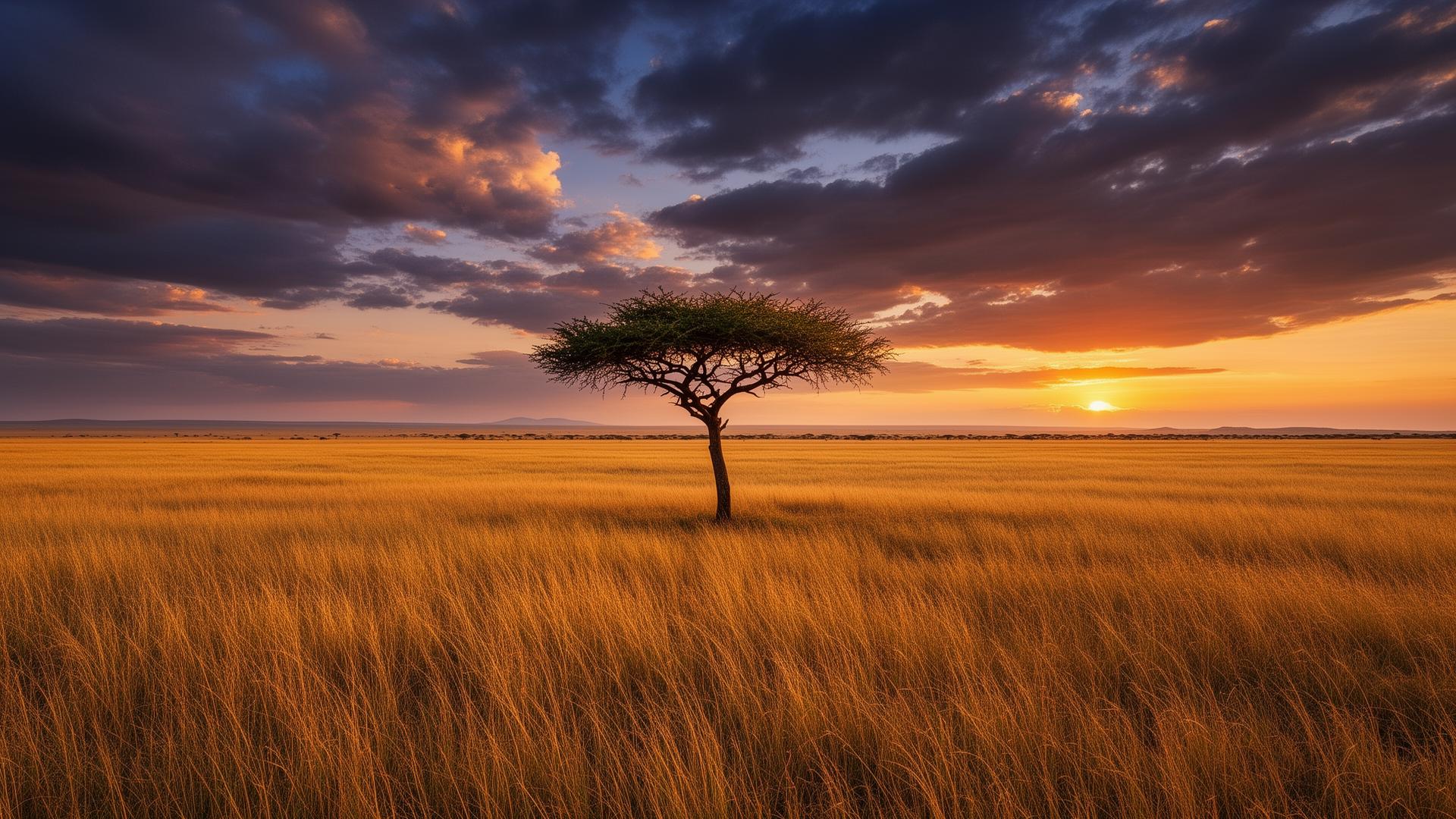
Set out around sunrise, when the plains are cool and the first light picks out grass, acacias and distant animals. Your guide shapes this full Serengeti day around fresh tracks, recent sightings and your interests, moving between open hunting country, river corridors and rocky kopjes. Watch for lions resting after a night of activity, elephants passing through woodland or herds spreading across the grass. A picnic lunch allows you to remain out exploring rather than return to camp midway through the day. Continue into the afternoon before heading back towards sunset for dinner and your second night in Central Serengeti. An optional dawn balloon flight can be arranged in advance as an add-on.

A Serengeti safari rewards patience as much as distance covered. Resident predators and herbivores make Central Seronera worthwhile throughout the year, while the location of the Great Migration varies with rain and grazing. Do not expect the main herds to be beside every track in every month. Your guide may spend time watching one scene unfold, giving you a better understanding of behaviour than a hurried circuit would. Pack sun protection and a warm layer for the early departure; temperatures can change noticeably between sunrise and midday, especially when travelling with the vehicle roof open.

Serengeti — Full Day
Travel
Central Serengeti · full-day game drives, no long inter-park transfer
Overnight
Lodge or tented camp in Central Serengeti
Meals
Breakfast, picnic or hot lunch, dinner
Day 6

Serengeti → Ngorongoro Crater

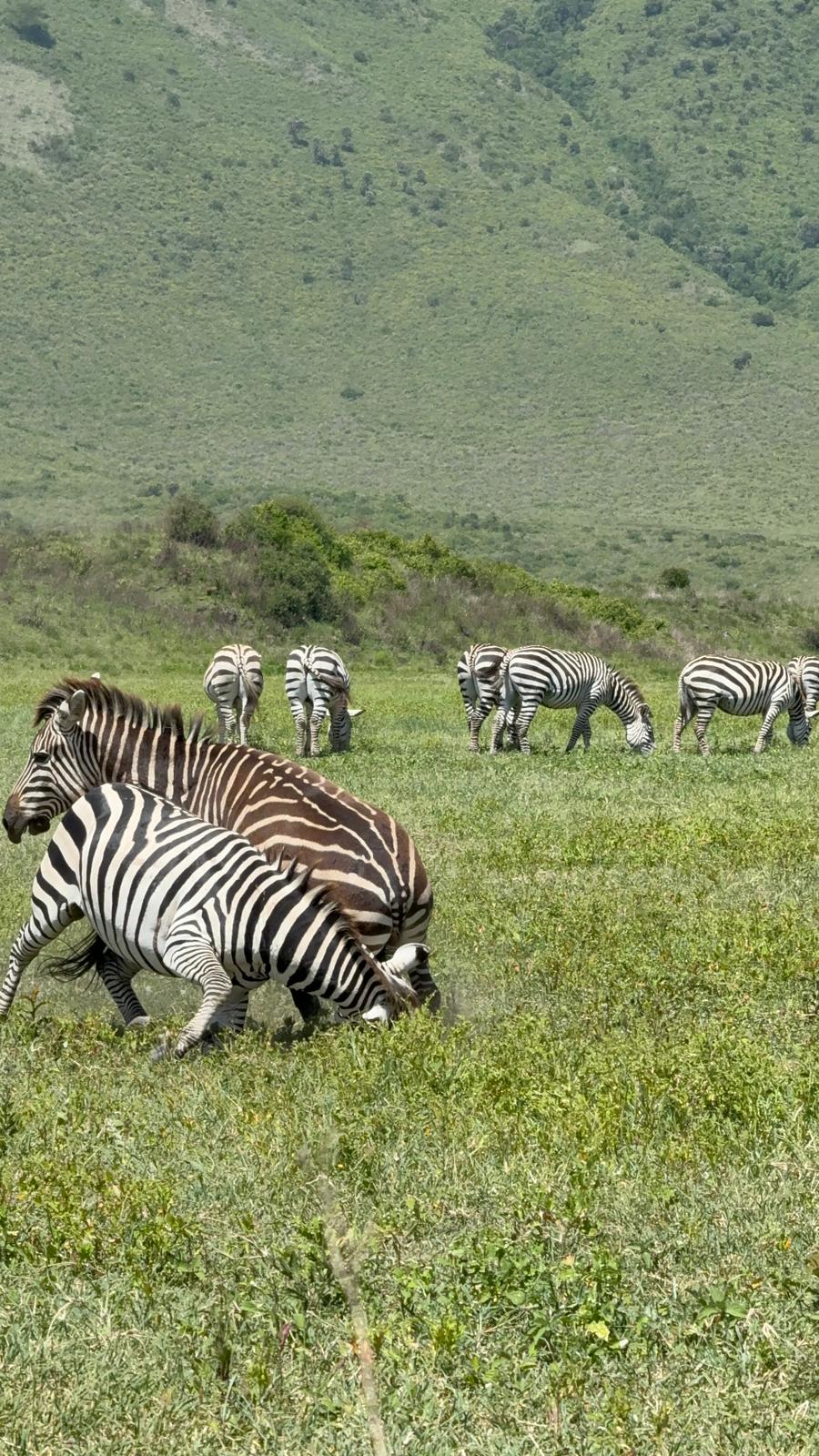
Take an early breakfast and begin the drive south, looking for wildlife along the Serengeti tracks as you leave. Today combines a substantial transfer with your Ngorongoro Crater visit, so your guide keeps the morning moving and organises lunch around the descent. Climb back into the highlands, then follow the access road down to the crater floor, where grassland, marsh and woodland sit within a remarkable ring of steep slopes. You may see zebra and buffalo grazing, hippos in water or lions resting in the open. Spend the available afternoon exploring different habitats before ascending within park operating hours and settling into your accommodation on the rim for dinner.

Ngorongoro Crater is a volcanic caldera with a rich concentration of resident wildlife, but it is not a guaranteed Big Five checklist. Black rhinos can be distant and elusive, and leopards are particularly difficult to find. The appeal is the chance to watch many species sharing a relatively compact landscape, framed by the crater walls. Dry-season grass can make animals easier to spot, while the rains bring greener scenery and changing light. Keep binoculars ready and take a warm jacket for the rim: the highland air can feel distinctly cold after an afternoon on the crater floor.

Serengeti → Ngorongoro Crater
Travel
Central Serengeti → Ngorongoro Crater rim · about 3–4 hours by road, plus crater descent and game drive
Overnight
Lodge or tented camp on the Ngorongoro Crater rim
Meals
Breakfast, picnic or hot lunch, dinner
Day 7

Crater rim → Arusha / JRO

Enjoy a final breakfast on the crater rim, taking time to appreciate the highland setting before packing for the return journey. Your guide confirms the day's departure time against your onward plans, then drives down through the cultivated countryside around Karatu and back towards Arusha. There is time for a lunch stop on the way, with any additional pauses fitted around the transfer schedule. In Arusha, the safari ends at your agreed drop-off point, or you continue directly to Kilimanjaro International Airport (JRO). For an evening international flight, allow a generous margin for road delays and the check-in time required by your airline rather than planning an extra game drive today.

This final road journey shows how quickly northern Tanzania changes: cool crater highlands give way to the Rift Valley corridor and the busy approaches to Arusha beneath Mount Meru. Clear weather may reveal the mountain above town, though cloud often hides its upper slopes. JRO, the international airport for this route, is about an hour from Arusha; it is not the same airport as Arusha's domestic airfield. Keep passports, tickets and anything needed for the flight in an accessible day bag. If your flight leaves early, discuss a revised departure or an additional overnight before confirming the itinerary.

Crater rim → Arusha / JRO
Travel
Ngorongoro rim → Arusha · about 4–5 hours by road; JRO about 1 hour farther
Overnight
End of trip — no overnight
Meals
Breakfast, picnic lunch

Make your dream trip come true with Lion Whisper

Every sample itinerary can be changed to suit you. Our local guides work with you to plan the trip you really want.

Request this trip now

Why Lion Whisper?

  • Private guide and vehicle — never a shared group
  • Local guides based in Arusha
  • Routes built around your dates and pace
  • Honest advice, no sales script
  • English-speaking guides
  • 24/7 support while you travel
See all safaris
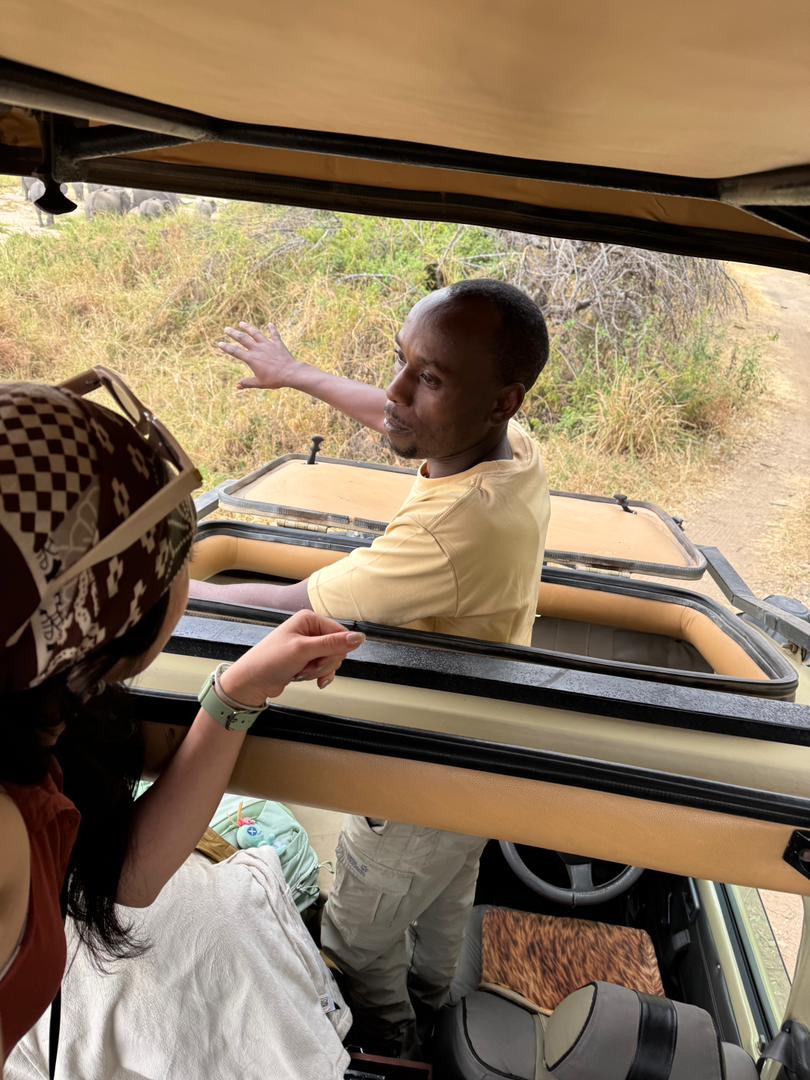
Lion Whisper guide explaining wildlife from the safari vehicle

Let us create your tailor-made trip

Free, no-obligation advice

Plan a Custom Safari

Talk to a local guide

Our team in Arusha is here to help — English · Swahili · French (on request).