• Great Migration

The Great Migration

Seasonal / 5 days / 4 nights

Private, tailor-made and planned by local guides in Arusha.

  1. Home
  2. Safaris
  3. The Great Migration
Back to Home

The Great Migration

Start among Tarangire's elephants and baobabs, then spend two full days with the wildebeest herds in the Serengeti — calving in the south (Jan–Mar) or river crossings in the north (Jul–Oct).

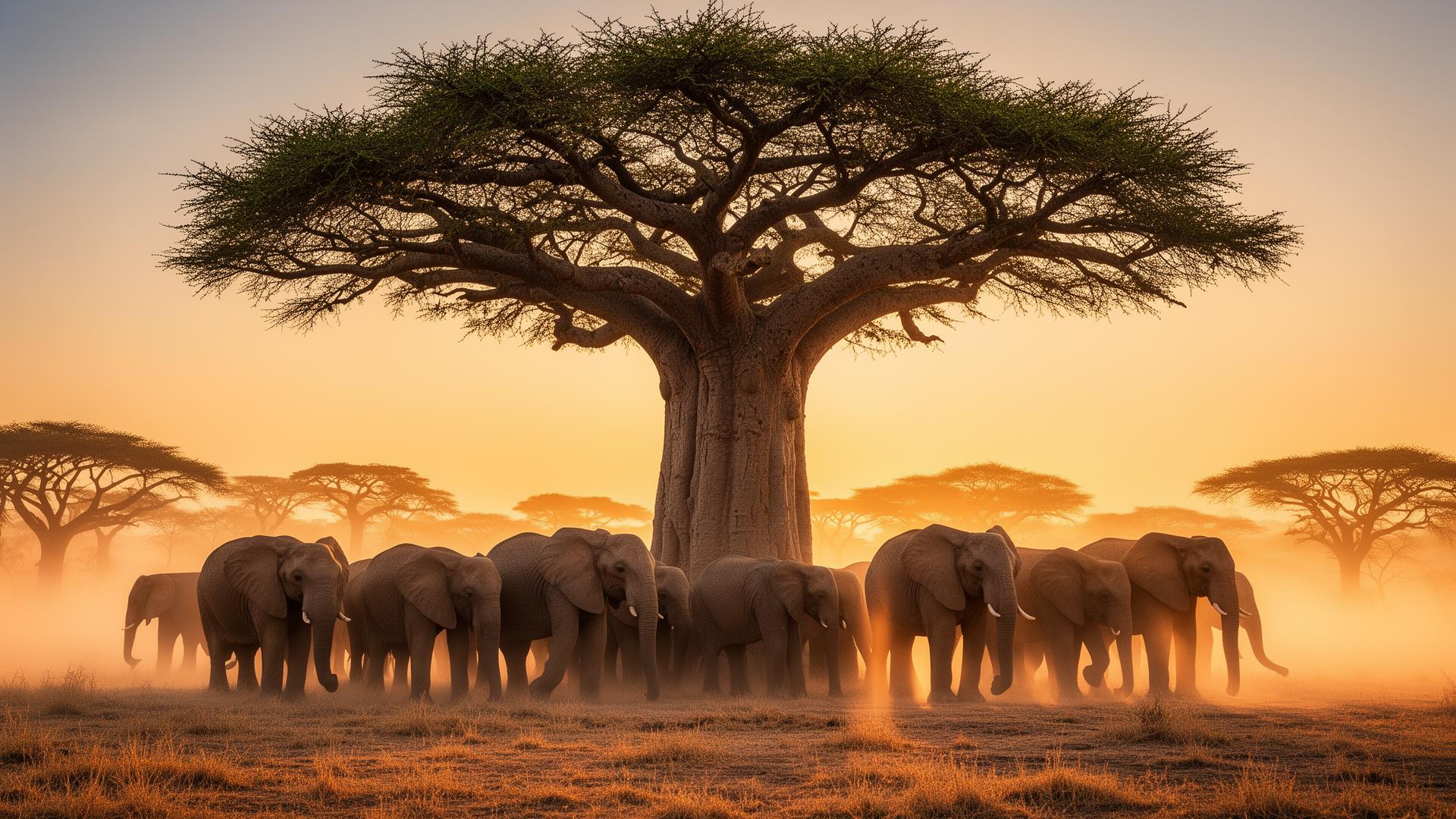
  • Tarangire elephants & baobabs
  • Two full days following the herds in the Serengeti
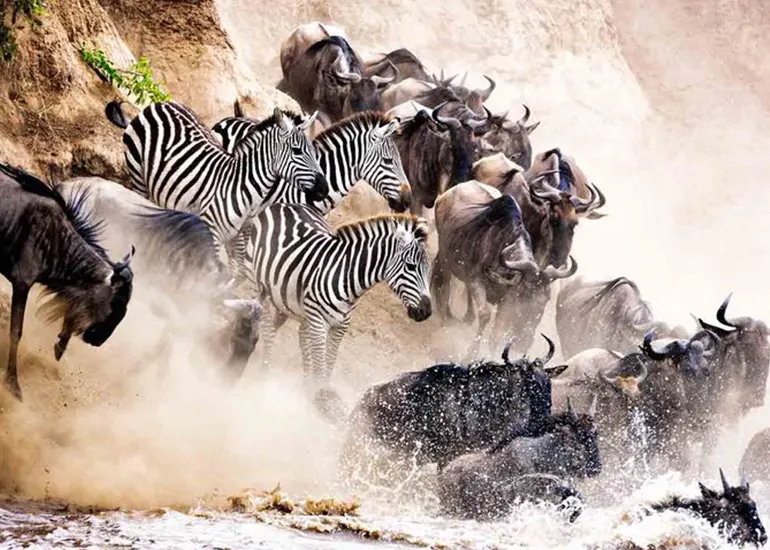
  • Mara River crossings (seasonal)
  • Optional sunrise balloon flight

Make your dream trip come true with Lion Whisper

Every sample itinerary can be changed to suit you. Our local guides work with you to plan the trip you really want.

Request this trip now

Itinerary

  1. Day 1: Arusha to Tarangire National Park
  2. Day 2: Tarangire to the Serengeti
  3. Day 3: Serengeti: following the migration
  4. Day 4: Serengeti: a second full day
  5. Day 5: Serengeti back to Arusha
The Great Migration — route photo
Route at a glance
  1. Arusha
  2. Tarangire
  3. 2 days Serengeti
  4. Arusha
Day 1

Arusha to Tarangire National Park

Meet your guide in Arusha after breakfast and head south towards Tarangire, a drive of about two hours through open country and areas used by Maasai pastoralists. As you approach the park, scattered baobabs and dry woodland begin to frame the journey. After entry, take your first game drive and pause for lunch at a designated picnic area. The afternoon gives you time to follow the Tarangire River and nearby tracks, looking for elephant families, giraffes and birds moving between the trees. Lions may be present too, although your guide lets the sightings determine the pace. Leave for your accommodation near the park in time to freshen up before dinner.

Tarangire National Park offers a distinctive opening to a Great Migration itinerary: this day is about its own resident wildlife and landscapes, not the Serengeti wildebeest movement. The river becomes particularly important in the dry season, roughly June to October, when animals often gather near reliable water. During greener months, vegetation thickens and birds provide wonderful reasons to stop. Baobabs are impressive in every season, with broad trunks and branching silhouettes that photograph beautifully in softer light. Keep a hat and drinking water close at hand, and use binoculars to appreciate birds that are too small or distant for a quick glance.
Arusha to Tarangire National Park
Travel
Arusha → Tarangire · about 2 hours by road, plus game drives
Overnight
Lodge or tented camp near Tarangire National Park
Meals
Breakfast, picnic or hot lunch, dinner
Day 2

Tarangire to the Serengeti

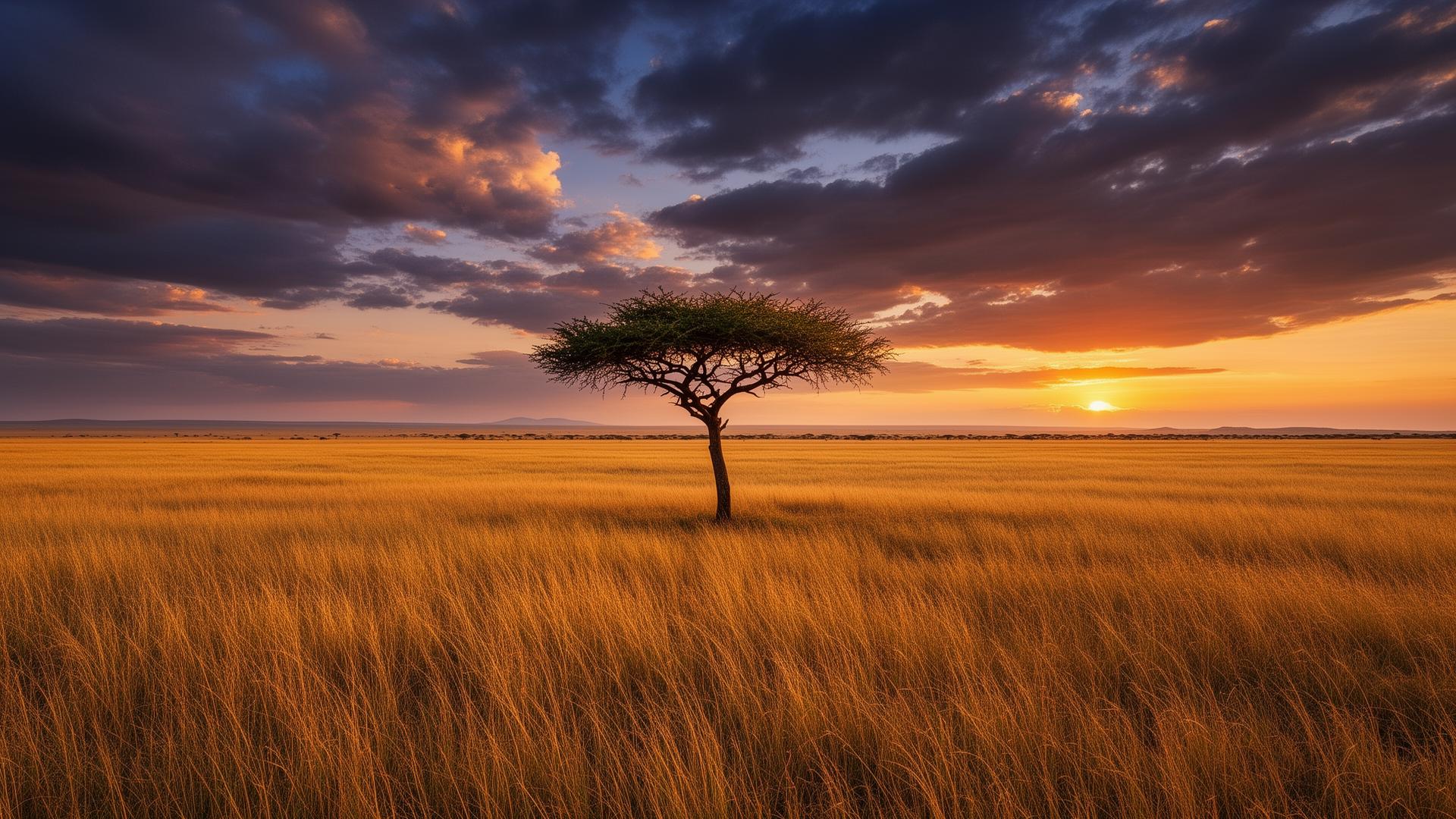
Leave after an early breakfast for the journey towards the Serengeti, climbing the Rift Valley escarpment and continuing through the Ngorongoro highlands. The scenery shifts from cultivated slopes to sweeping plains as you approach Naabi Hill gate. Carry a picnic lunch and allow time for entry formalities before continuing on game-viewing tracks towards camp. Zebra, gazelles or giraffes may appear along the route, so keep your binoculars beside you even during the transfer. Your guide adjusts the afternoon to the distance still to cover, reaching your seasonal base before evening. If timing permits, enjoy the last warm light across the plains before dinner and your first Serengeti night.

The best base for a Great Migration safari depends on the herds' seasonal position, rather than a fixed promise of sightings. Southern plains are usually the focus for calving from January to March, while northern areas become relevant for potential Mara River crossings from July to October. Rain and grazing can shift these patterns. From Tarangire, allow about six to eight hours towards the central or southern Serengeti; reaching the far north can take substantially longer and needs careful advance planning. Pack a separate day bag for this long drive, and confirm the seasonal camp location before booking so the transfer and your wildlife priorities fit together.

Tarangire to the Serengeti
Travel
Tarangire → Serengeti via Ngorongoro highlands · about 6–8 hours to central/southern areas; longer to the north
Overnight
Tented camp or lodge in the Serengeti, in the planned seasonal viewing area
Meals
Breakfast, picnic or hot lunch, dinner
Day 3

Serengeti: following the migration

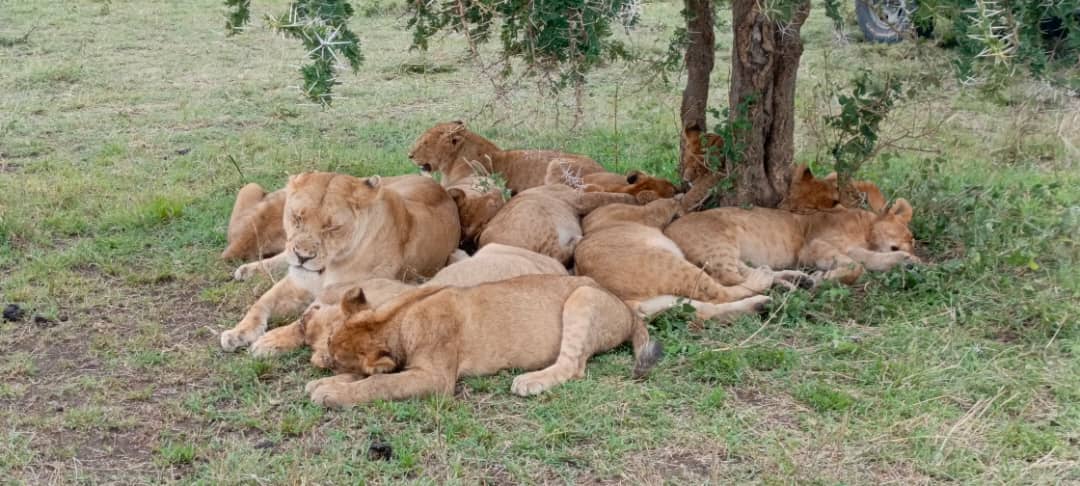
Begin early, with breakfast arranged around the day's wildlife plan, and set out to search the areas where the herds have recently been reported. Your guide reads the landscape as well as local updates, looking for fresh movement across grazing grounds or towards water. Once you find wildebeest and zebra, take time to watch individuals feeding, calling and moving together rather than rushing through the scene. Lions, cheetahs and hyenas may also be active nearby. A picnic lunch keeps you out in the bush through the middle of the day, with the afternoon devoted to further exploration before returning to camp around sunset for dinner.

The Great Migration is a response to rainfall and fresh grazing, not an event that happens at a fixed place on a fixed date. January to March often brings calving activity on the southern plains, while July to October may offer river-crossing opportunities in the north. Crossings can involve long waits and may not happen during your visit, even when herds are nearby. Your Serengeti safari remains rewarding through the behaviour of the animals and the wider landscape. Bring spare camera batteries and enough memory for extended observation, and be ready to enjoy a quiet spell: patient watching often reveals details you would otherwise miss.

Serengeti: following the migration
Travel
Serengeti seasonal viewing area · full-day game drives
Overnight
Tented camp or lodge in the Serengeti, in the planned seasonal viewing area
Meals
Breakfast, picnic or hot lunch, dinner
Day 4

Serengeti: a second full day

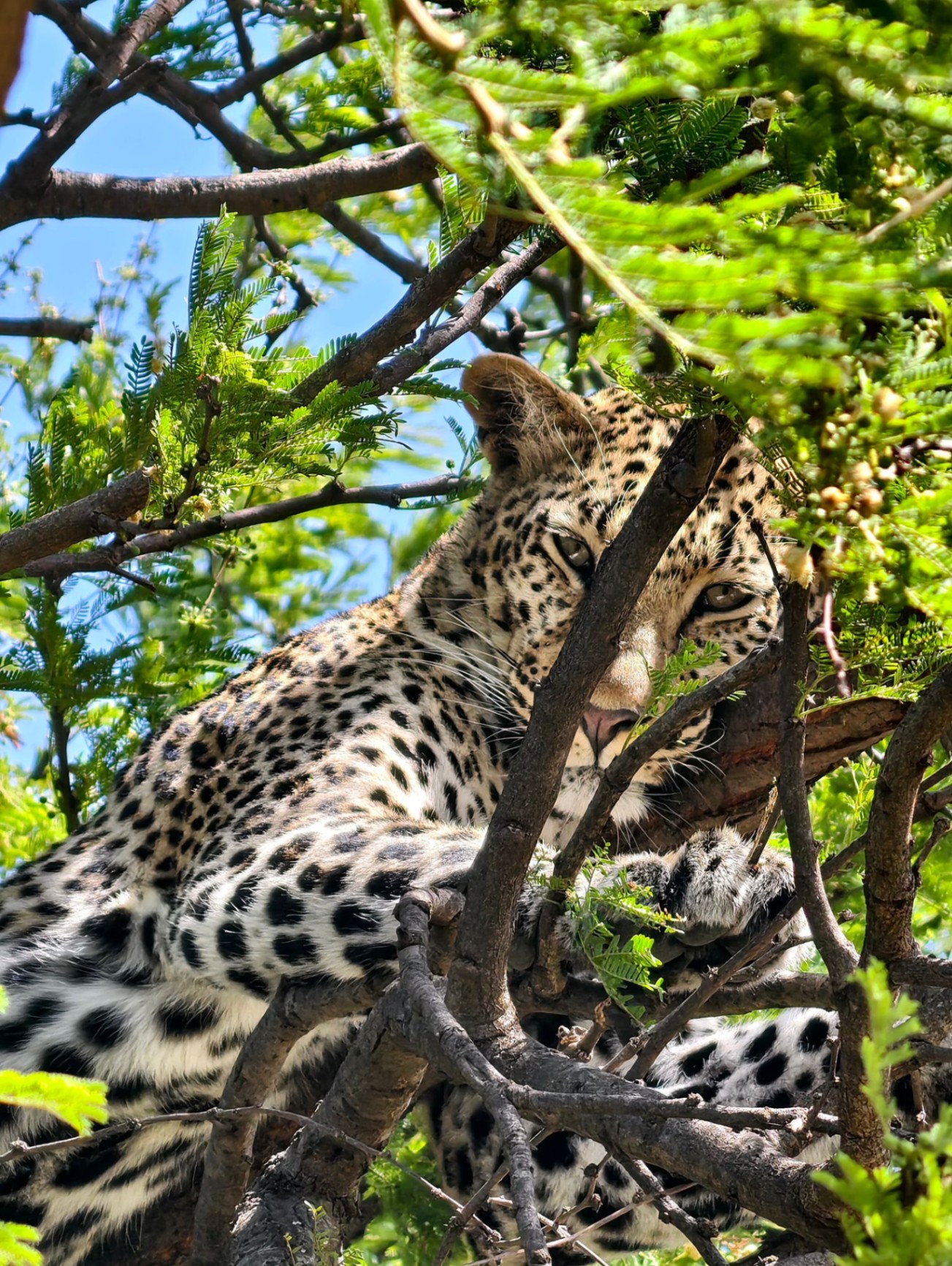
Set off in the early light for a second full day, using yesterday's sightings to decide whether to revisit the herds or explore different tracks. In Central Seronera, that might mean checking kopjes for resting lions and large sausage trees for a possible leopard. If you are based in the north, your guide may instead focus on river approaches and nearby grazing areas; the two regions are not interchangeable within a short morning drive. Enjoy a picnic lunch and continue watching through the afternoon, returning for your last dinner beneath the Serengeti sky. An optional sunrise balloon flight can be booked in advance, subject to availability in your chosen area.

A second day gives your Great Migration safari room for changing weather, shifting herds and the simple unpredictability of wildlife. It does not guarantee a crossing or a predator encounter, but it creates more time to understand what you are seeing. Kopjes provide shelter and lookout points, while riverine woodland offers shade and water for many species. Your guide will choose habitats that make sense for the camp location rather than chase distant reports. Wear muted, comfortable clothing and carry a warm layer for dawn. Before dinner, confirm tomorrow's departure plan, especially if an evening international flight is part of your onward journey.

Serengeti: a second full day
Travel
Serengeti seasonal viewing area · full-day game drives, no scheduled inter-park transfer
Overnight
Tented camp or lodge in the Serengeti, in the planned seasonal viewing area
Meals
Breakfast, picnic or hot lunch, dinner
Day 5

Serengeti back to Arusha

After an early breakfast, leave camp with your bags packed and enjoy final wildlife viewing on the tracks leading out of the Serengeti. The return to Arusha is a long travel day, with a lunch stop and breaks fitted around road conditions. From central or southern areas, the journey takes about seven to eight hours; a northern camp needs considerably more time. Your guide takes you to your Arusha hotel or, when the confirmed schedule allows, onwards to Kilimanjaro International Airport (JRO) for an evening flight. An optional domestic flight from a suitable Serengeti airstrip to Arusha can replace the long drive if arranged in advance; it is not assumed to be included.

Departure planning matters on a seasonal Serengeti safari because the location that suits the herds also determines your distance from Arusha. Do not pair a northern Serengeti road departure with a tight same-day international connection; confirm a flight alternative or an additional overnight instead. Arusha lies beneath Mount Meru and makes a useful place to pause after the plains. Its domestic airport is separate from JRO, the international gateway about an hour away by road. Keep your travel documents accessible, check baggage rules if choosing a small-aircraft transfer, and leave a generous buffer before airline check-in rather than relying on the shortest possible driving estimate.

Serengeti back to Arusha
Travel
Serengeti → Arusha · about 7–8 hours by road from central/southern areas, longer from the north; JRO about 1 hour farther
Overnight
End of trip — no overnight
Meals
Breakfast, picnic lunch

Make your dream trip come true with Lion Whisper

Every sample itinerary can be changed to suit you. Our local guides work with you to plan the trip you really want.

Request this trip now

Why Lion Whisper?

  • Private guide and vehicle — never a shared group
  • Local guides based in Arusha
  • Routes built around your dates and pace
  • Honest advice, no sales script
  • English-speaking guides
  • 24/7 support while you travel
See all safaris
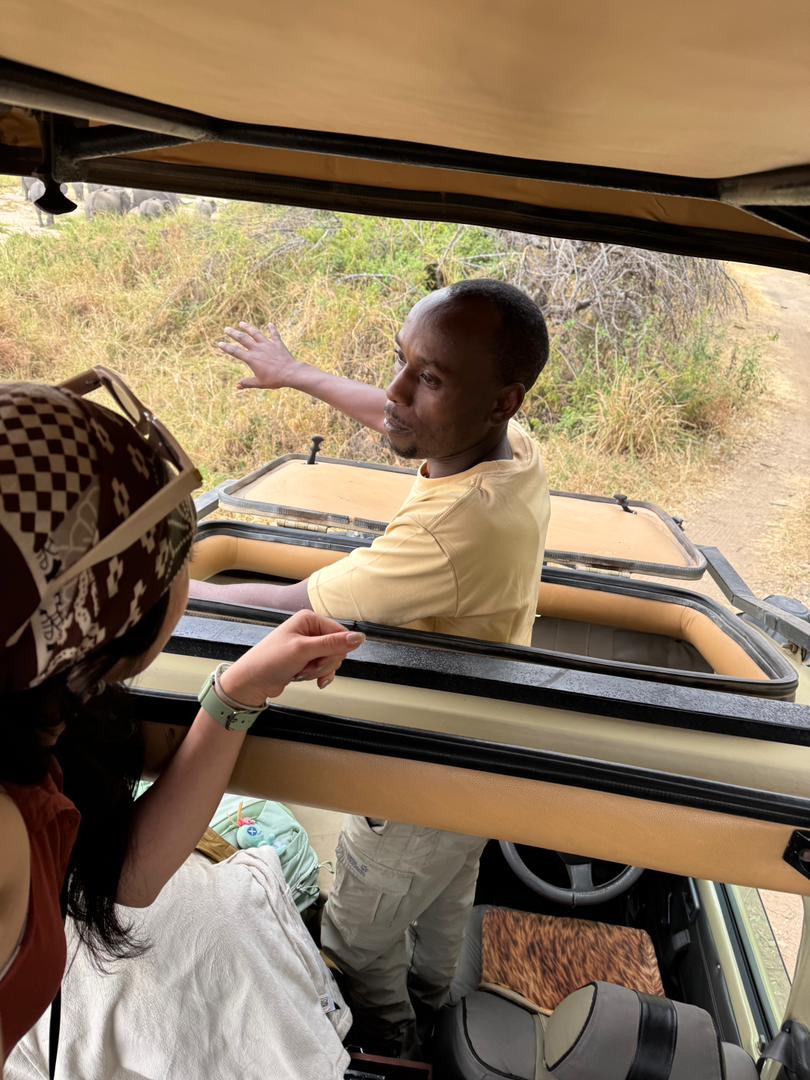
Lion Whisper guide explaining wildlife from the safari vehicle

Let us create your tailor-made trip

Free, no-obligation advice

Plan a Custom Safari

Talk to a local guide

Our team in Arusha is here to help — English · Swahili · French (on request).