• Great Migration
  • Big Five

Mara River Migration Safari

Seasonal · July–October / 9 days / 8 nights

Private, tailor-made and planned by local guides in Arusha.

  1. Home
  2. Safaris
  3. Mara River Migration Safari
Back to Home

Mara River Migration Safari

Three nights on the banks of the Mara River for the chance to see the migration's famous river crossings, plus Tarangire, the central Serengeti and the Ngorongoro Crater.

  • Three nights near the Mara River
  • Chance of wildebeest river crossings
  • Bush flight back from the north
  • Tarangire and Ngorongoro Crater

Make your dream trip come true with Lion Whisper

Every sample itinerary can be changed to suit you. Our local guides work with you to plan the trip you really want.

Request this trip now

Itinerary

  1. Day 1: Arrive Kilimanjaro — welcome to Arusha
  2. Day 2: Arusha to Tarangire — warming up with the elephants
  3. Day 3: Tarangire to the central Serengeti
  4. Day 4: Central Serengeti to the Mara River
  5. Day 5: Mara River — waiting for the crossing
  6. Day 6: Northern Serengeti — a second river day
  7. Day 7: Bush flight south — on to Karatu
  8. Day 8: Ngorongoro Crater — the Big Five finale
  9. Day 9: Karatu to Arusha and onward
Mara River Migration Safari — route photo
Route at a glance
  1. Arusha
  2. Tarangire
  3. Central Serengeti
  4. 3 days Northern Serengeti
  5. 2 days Ngorongoro
  6. Arusha
Day 1

Arrive Kilimanjaro — welcome to Arusha

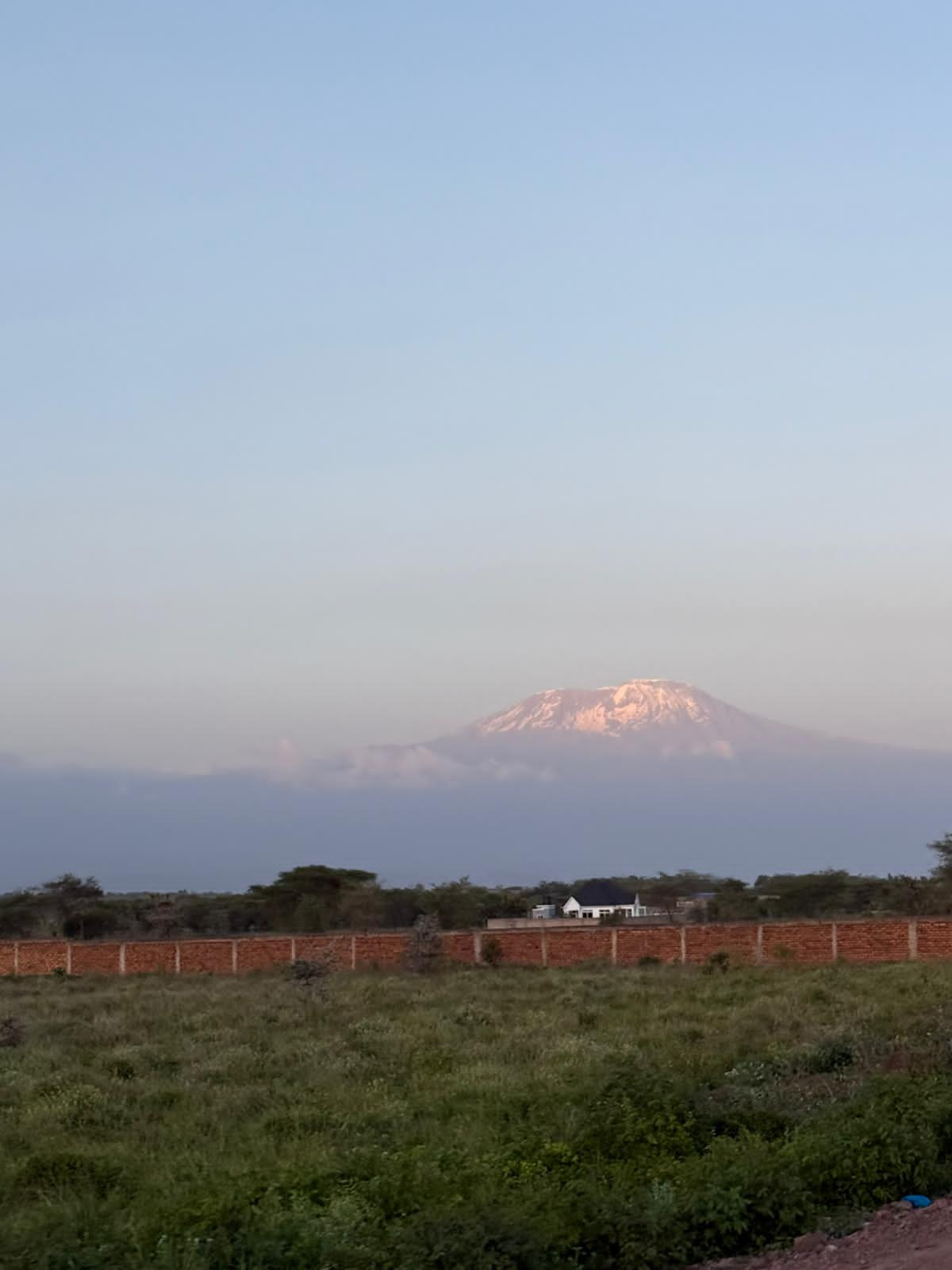
We meet you at Kilimanjaro International Airport (JRO) after you have completed arrival formalities and drive about an hour to your lodge near Arusha. Settle into the journey as fields, roadside settlements and gardens pass the window, with Mount Meru visible when skies are clear. Your first evening is deliberately gentle: unpack, freshen up and sit down with your guide to discuss the route north. Over dinner, hear how rainfall and grazing shape the migration and why river days require patience rather than a fixed timetable. Ask questions about camera equipment, luggage for the bush flight and the daily rhythm before turning in for a good night’s rest.

Arusha is the starting point for this northern Tanzania safari, while JRO is the international airport serving your arrival. The Mara River section is planned for about July to October, when migrating herds are often in the northern Serengeti, although their movements vary each year. Crossing opportunities depend on the animals, not simply the month on the calendar. Keep medicines and a light jumper in your hand luggage, and charge batteries tonight. Your guide will help set realistic expectations: the wider wildlife experience matters just as much as any single dramatic moment.
Arrive Kilimanjaro — welcome to Arusha
Travel
Kilimanjaro International Airport (JRO) → Arusha · about 1 hour by road
Overnight
Lodge in or near Arusha
Meals
Dinner
Day 2

Arusha to Tarangire — warming up with the elephants

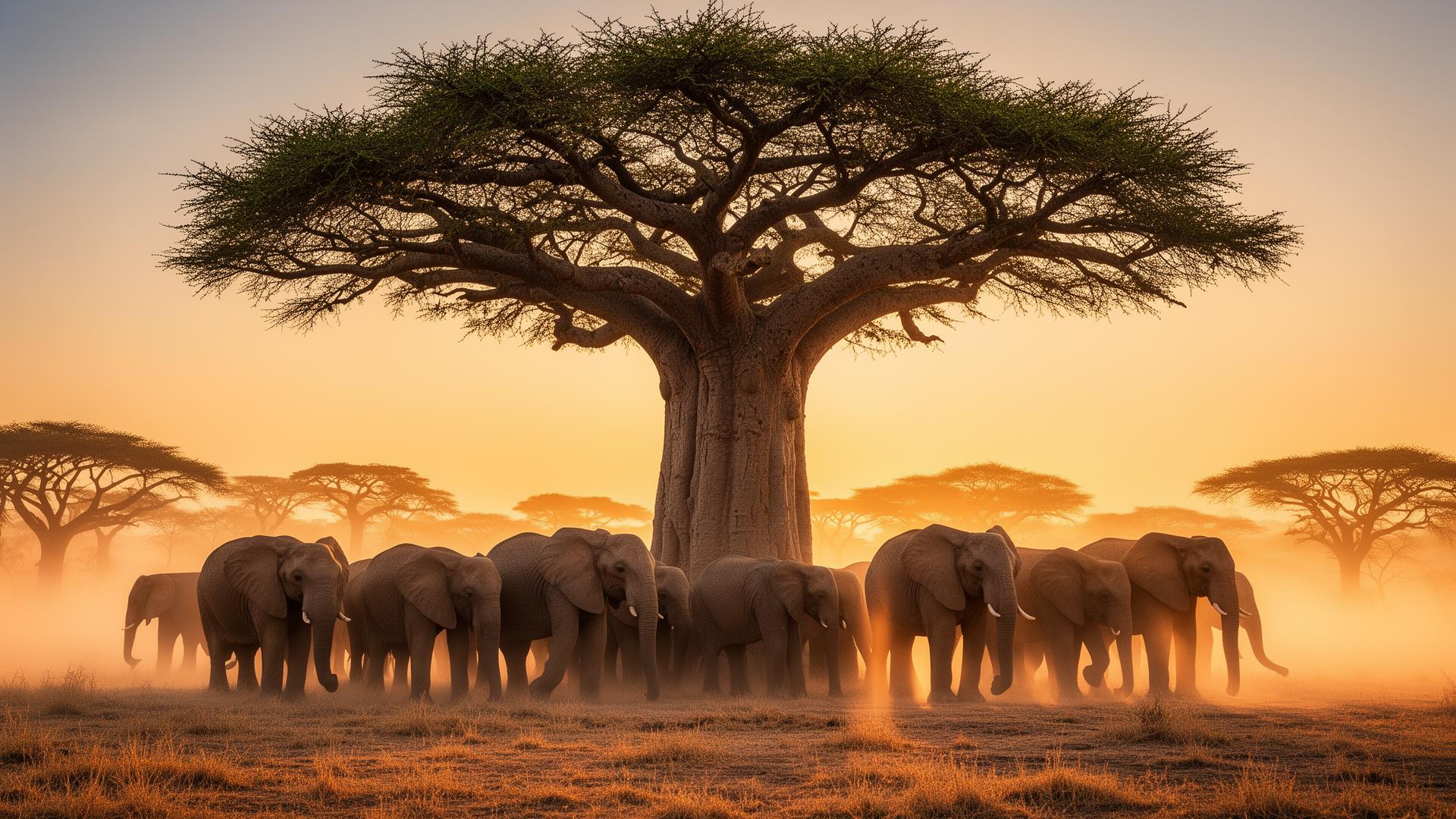
After breakfast, leave Arusha for Tarangire National Park, about two hours away, and begin your safari among broad savannah views and towering baobabs. Once through the entrance, your guide follows the tracks towards promising feeding areas and river habitats. Elephants may gather to drink or dust-bathe, giraffes browse between the trees, and buffalo sometimes rest in the shade. Watch carefully for lions and for a leopard hidden among branches, without expecting every species on this first outing. A picnic lunch gives you a break from the vehicle before more afternoon game viewing. Finish with dinner and a relaxed evening at your accommodation near the park.

Tarangire’s dry-season character fits well with a Mara River Migration Safari: around July to October, shrinking water supplies often draw wildlife towards the river and remaining wetlands. Concentrations vary, and the river should not be thought of as the park’s only water source. Baobab woodland and open grassland also make this a rewarding place to learn animal behaviour and practise photography before heading north. Bring a soft brush or cover for camera dust, and try your settings while watching calmer subjects. Your guide can help position the vehicle without crowding wildlife.

Arusha to Tarangire — warming up with the elephants
Travel
Arusha → Tarangire · about 2 hours by road
Overnight
Lodge or tented camp near Tarangire National Park
Meals
Breakfast, picnic or hot lunch, dinner
Day 3

Tarangire to the central Serengeti

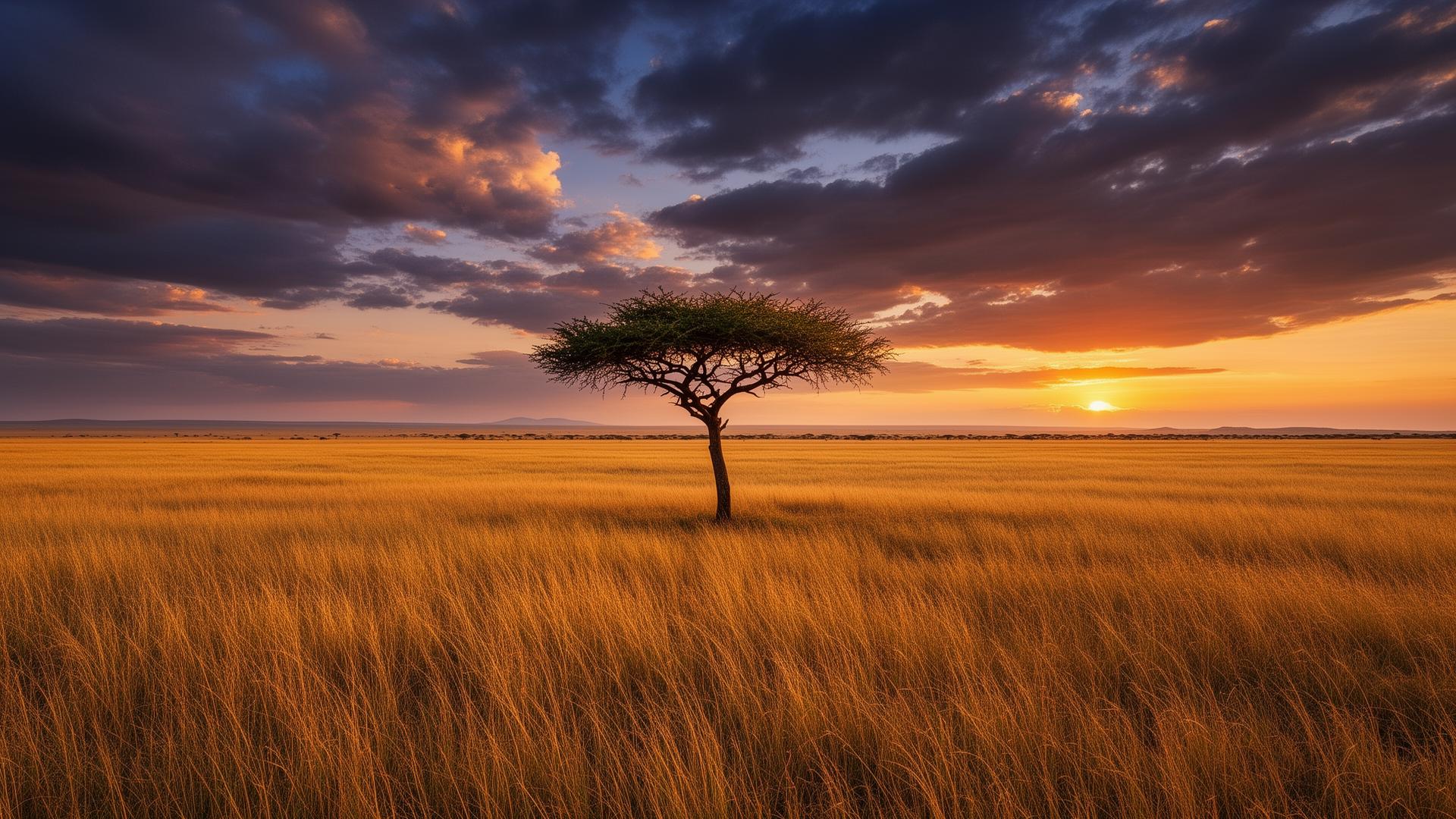
Set off after an early breakfast for a full travel and game-viewing day towards central Serengeti. Cross the Rift Valley landscape, climb through the cultivated hills around Karatu and continue into the cooler Ngorongoro highlands. The road then descends towards open plains, where the sense of space grows with every kilometre. Allow about 6–7 hours with stops and sightings, breaking the journey for a picnic lunch. Beyond Naabi Hill, watch for gazelles, ostriches and predators as your guide continues towards Seronera. With luck, your first Serengeti lions may appear before you reach camp. Dinner and an evening under a broad sky round off the journey.

Central Serengeti is much more than a staging point on the way to the Mara River. Its river valleys, woodland and rocky outcrops support resident wildlife throughout the year, including lions and leopards. During the northern migration season, many travelling herds may be farther north, but local animal life remains rewarding. The day crosses several habitats and temperatures, so keep a fleece handy for the highlands and sun protection ready for the plains. Road dust can be persistent: close bags between stops and avoid changing camera lenses in exposed, windy conditions.

Tarangire to the central Serengeti
Travel
Tarangire → central Serengeti · about 6–7 hours with stops and game viewing
Overnight
Lodge or tented camp in the central Serengeti
Meals
Breakfast, picnic or hot lunch, dinner
Day 4

Central Serengeti to the Mara River

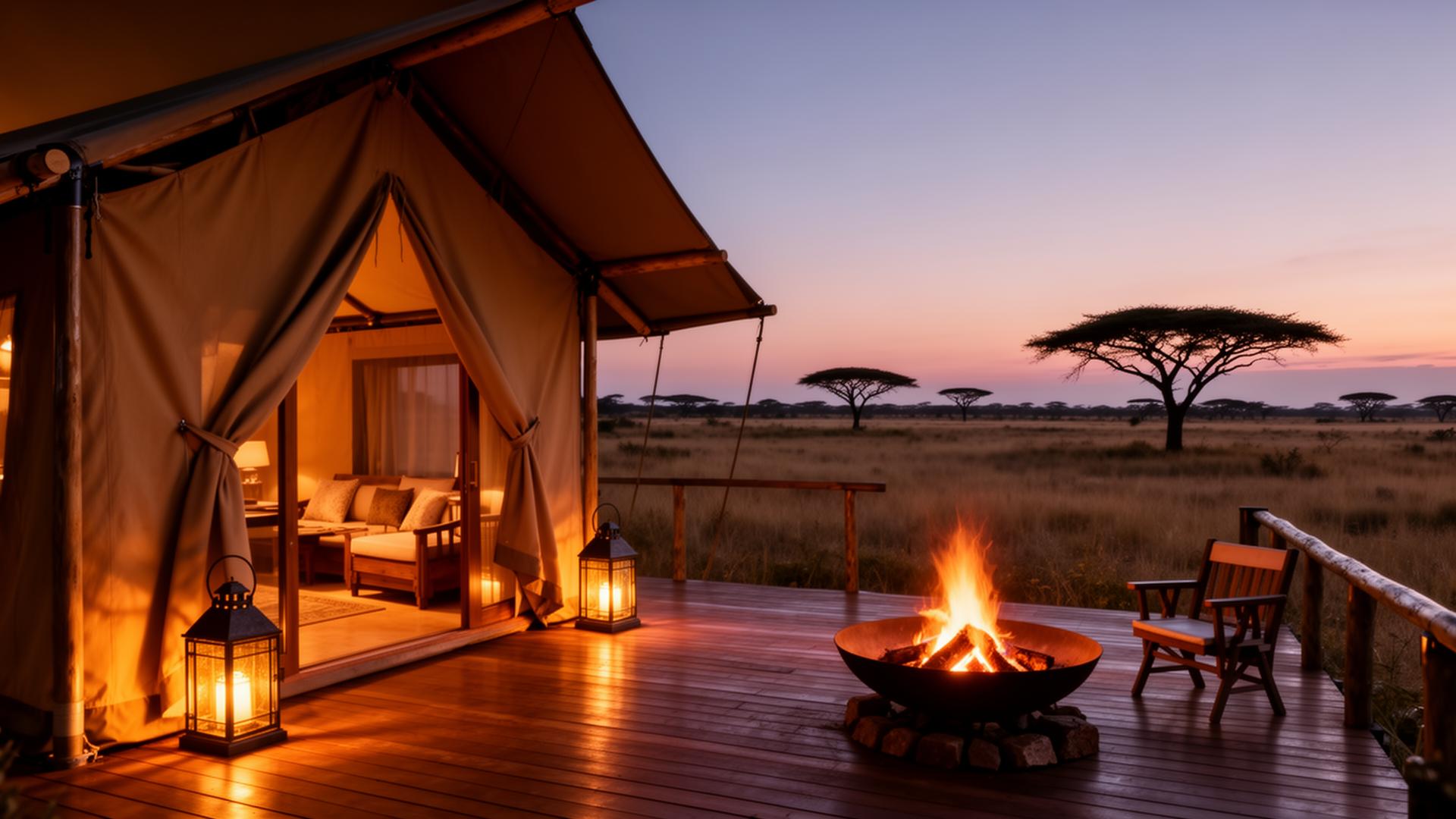
After breakfast, continue north through the Serengeti, allowing about 4–5 hours of driving with game viewing along the way. Your guide watches for wildlife as the scenery shifts between rolling country, grassland and the granite outcrops around Lobo. Depending on where the herds are moving, you may begin to hear the low grunting of wildebeest before you see large gatherings. Pause for a picnic lunch, then continue towards Kogatende and the Mara River. Time permitting, explore the river area for hippos, crocodiles and animals approaching the banks. Settle into your northern camp for dinner, ready for two full days of patient exploration.

The northern Serengeti has a different feel from the central plains, with riverine woodland, rocky hills and grassland extending towards Kenya. During about July to October, the Great Migration often reaches this region, but herd locations can change quickly with rain and grazing. Reaching the Mara River does not mean a crossing is imminent; animals may gather, turn away or move to another stretch entirely. Keep binoculars close during the transfer, as interesting sightings can happen anywhere. A light scarf can help with dust, and a warm layer is useful at the day’s cooler edges.

Central Serengeti to the Mara River
Travel
Central Serengeti → Kogatende and Mara River · about 4–5 hours with game viewing
Overnight
Tented camp in the northern Serengeti near the Mara River
Meals
Breakfast, picnic or hot lunch, dinner
Day 5

Mara River — waiting for the crossing

Leave early with packed breakfast and lunch so you can spend an unhurried day in the Mara River area. Your guide assesses herd movements and chooses suitable viewpoints rather than simply waiting at the busiest bank. Wildebeest may approach the water, hesitate, retreat and gather again; a crossing can happen suddenly, or not happen at all. Between these moments, look for crocodiles, hippos and predators following the herds across nearby grassland. Take meal breaks at designated safe stopping places, keeping the day flexible as conditions change. Return to camp towards sunset for dinner, with time to talk through what you observed and prepare for another day.

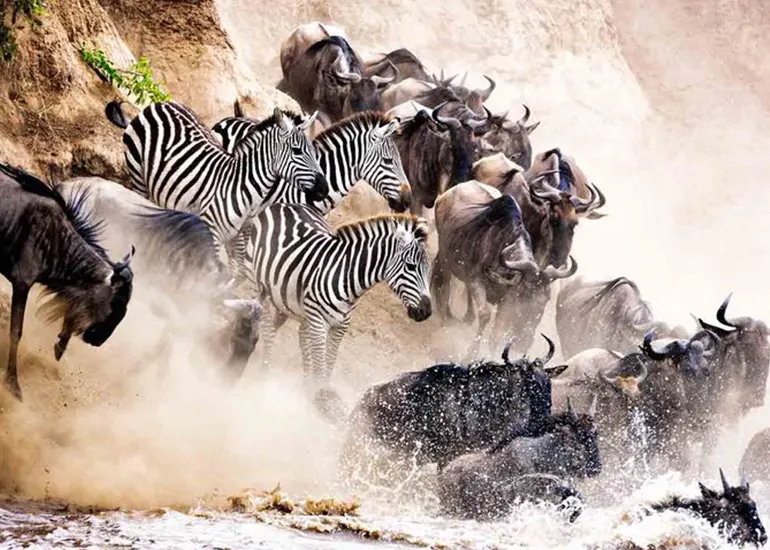
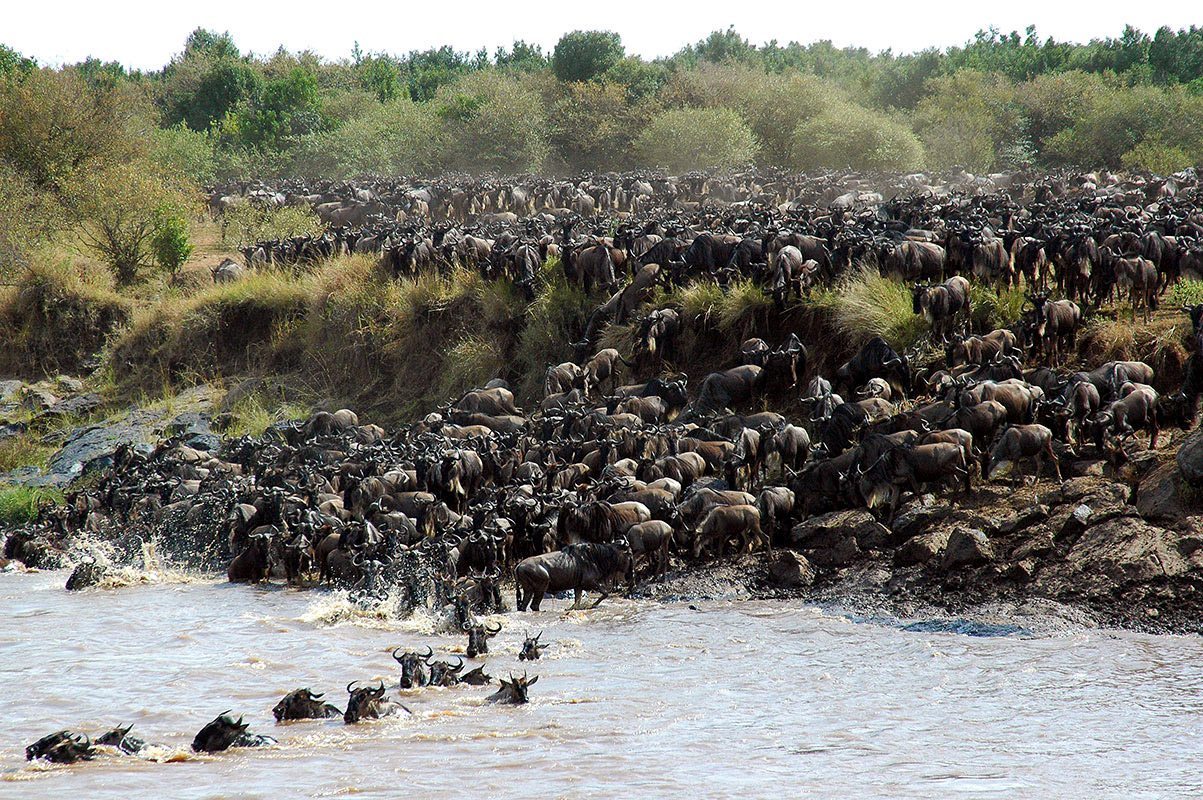
Mara River crossings are among the best-known events of the Great Migration, but there is no daily schedule and no guarantee, even during the usual northern season. Crossings may occur in either direction as animals respond to grazing and rainfall, not as one continuous northward march. Responsible positioning matters: vehicles should never block an approach or pressure animals towards the water. Bring spare batteries, a charged memory card and patience, but also allow yourself to watch without the camera. Waiting quietly often reveals the herd behaviour that makes the eventual decision so compelling.

Mara River — waiting for the crossing
Travel
Mara River area · full-day game viewing and patient river observation
Overnight
Tented camp in the northern Serengeti near the Mara River
Meals
Breakfast, picnic or hot lunch, dinner
Day 6

Northern Serengeti — a second river day

Start early for another full day in the northern Serengeti, with breakfast arrangements shaped around the latest herd movements. Your guide may return to an active section of river or explore towards the Lamai Wedge if access and conditions suit. The extra day means there is room to look beyond crossings: watch hippos jostling in the water, scan riverine trees for leopards and search the grassland for lions or cheetahs. Enjoy a picnic lunch at a designated site before continuing your afternoon exploration. End your final northern evening with a sundowner viewpoint where arrangements permit, then dinner at camp and the sounds of the bush after dark.

The Lamai Wedge lies north of the Mara River within Tanzania’s Serengeti ecosystem, offering open landscapes and opportunities to follow resident as well as migrating wildlife. Access and wildlife concentrations vary, so it is an option rather than a promised destination. A second river day improves flexibility but still cannot guarantee a crossing: sometimes herds remain on one bank for days. Keep sun protection and water handy during long waits in the vehicle, and wear layers for the early start. Your guide will balance river observation with wider exploration rather than spending every hour at one crowded spot.

Northern Serengeti — a second river day
Travel
Northern Serengeti · full-day game viewing, with routes adjusted to herds and access
Overnight
Tented camp in the northern Serengeti near the Mara River
Meals
Breakfast, picnic or hot lunch, dinner
Day 7

Bush flight south — on to Karatu

If the flight schedule allows, enjoy a final morning game drive before transferring to Kogatende airstrip. Boarding a light aircraft brings a new perspective: the plains, winding watercourses and scattered woodland become a broad patterned landscape below you. Fly south to Lake Manyara airstrip, where your onward guide and vehicle meet you for the road journey to Karatu. Lunch is arranged around the flight timetable, followed by time to relax at your highland lodge. If you feel like stretching your legs, a gentle coffee-farm walk offers an introduction to growing, processing and brewing local coffee. Dinner is followed by a quiet evening before tomorrow’s Crater visit.

This included bush flight avoids the long road journey back from the northern Serengeti, though routing, intermediate stops and departure times depend on the operating schedule. Lake Manyara airstrip is your arrival point for the onward transfer, not a Lake Manyara National Park game drive. Karatu sits in cultivated highland country between the Rift Valley and Ngorongoro, with cooler evenings than the plains. Confirm the airline’s luggage allowance before departure and use the bag type requested. Keep essential medicines and travel documents accessible, and have a warm layer ready when you reach the highlands.

Bush flight south — on to Karatu
Travel
Kogatende → Lake Manyara airstrip by light aircraft; onward road transfer to Karatu
Overnight
Highland lodge in Karatu
Meals
Breakfast, picnic or hot lunch, dinner
Day 8

Ngorongoro Crater — the Big Five finale

Leave Karatu early after breakfast and climb towards the Ngorongoro rim, where forest and mist can make the morning feel a world away from the Serengeti. Descend about 600 metres to the Crater floor and explore with your guide, looking across grassland for zebra, wildebeest, buffalo and lions. Elephant sightings are possible near woodland, while black rhino require patience and luck. Pause for a picnic lunch at a designated site near a hippo pool, then continue exploring within the day’s permitted schedule. Later, climb back to the rim and return to Karatu, where a farewell dinner brings your final full wildlife day to a gentle close.

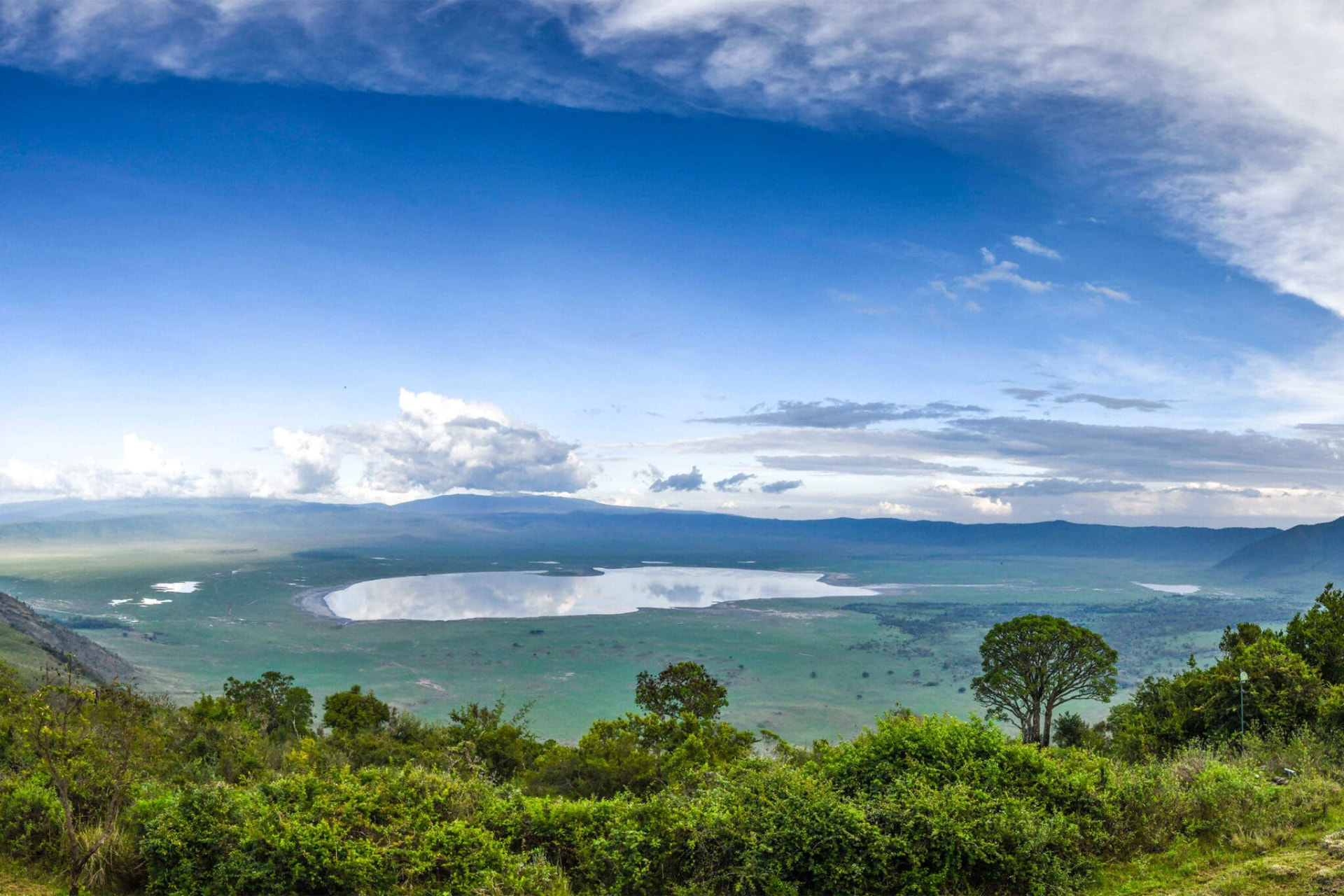
The Ngorongoro Crater combines open grazing areas, swamps, alkaline lake habitat and acacia woodland inside a volcanic caldera. Its resident wildlife makes it rewarding year-round, although rainfall changes the colour of the floor and the conditions of the tracks. This is an important place to search for critically endangered black rhino, but a Big Five finale is an aspiration, not a guaranteed checklist. Wear layers for the cold rim and warmer floor, and keep binoculars ready for distant animals. Give rhinos space if encountered and let your guide choose a respectful viewing position.

Ngorongoro Crater — the Big Five finale
Travel
Karatu → Ngorongoro Crater → Karatu · about 600 metres of descent from rim to floor
Overnight
Highland lodge in Karatu
Meals
Breakfast, picnic or hot lunch, dinner
Day 9

Karatu to Arusha and onward

After breakfast, leave Karatu for Arusha, allowing about 2.5–3 hours on the road. The route drops towards the Rift Valley and passes Mto wa Mbu, where you can stop for a market browse or visit a craft cooperative if time permits. It is a relaxed opportunity to see everyday trading life after your days in wildlife country. Continue to Arusha for lunch, then organise the rest of the day around your onward journey. For an evening international departure, transfer to Kilimanjaro International Airport (JRO). If you have separately arranged a Zanzibar extension, we confirm the appropriate connection rather than assuming it is part of this safari.

Arusha, beneath Mount Meru, is the natural finishing point for this northern circuit. JRO is the international airport for your departure and lies about an hour from town, so the afternoon plan must leave comfortable time for the transfer and check-in. Keep your passport and flight details accessible, and pack any fragile crafts carefully before the airport drive. Migration memories are different for every traveller: perhaps patient river watches, elephant families or predators at dawn will stand out most. Whatever the sightings, this final journey gives you time to absorb the landscapes you have crossed.

Karatu to Arusha and onward
Travel
Karatu → Arusha · about 2.5–3 hours; Arusha → JRO · about 1 hour
Overnight
End of trip — no overnight
Meals
Breakfast, picnic lunch

Make your dream trip come true with Lion Whisper

Every sample itinerary can be changed to suit you. Our local guides work with you to plan the trip you really want.

Request this trip now

Why Lion Whisper?

  • Private guide and vehicle — never a shared group
  • Local guides based in Arusha
  • Routes built around your dates and pace
  • Honest advice, no sales script
  • English-speaking guides
  • 24/7 support while you travel
See all safaris
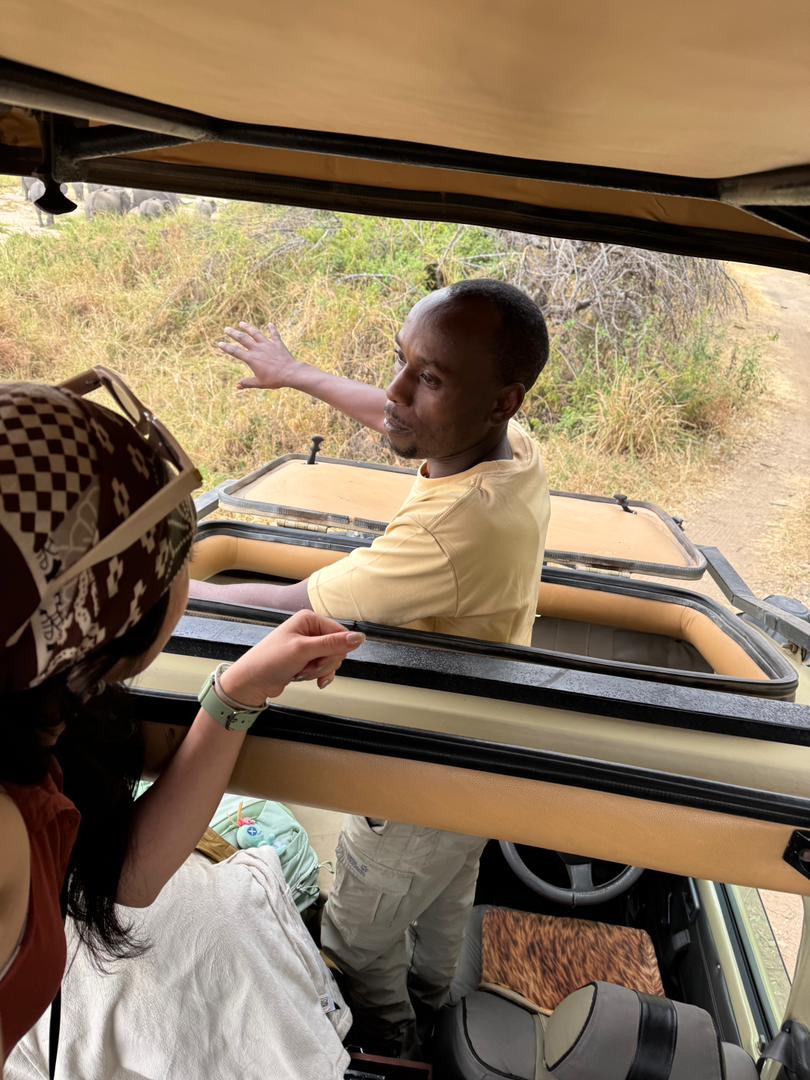
Lion Whisper guide explaining wildlife from the safari vehicle

Let us create your tailor-made trip

Free, no-obligation advice

Plan a Custom Safari

Talk to a local guide

Our team in Arusha is here to help — English · Swahili · French (on request).